The Bone Collector of Mount Moriah: A Nightmare in the Vaults
The silence of Mount Moriah Cemetery is not the peaceful hush of a well-tended garden, but the heavy, suffocating weight of a century and a half of neglected history. Spanning the border of Southwest Philadelphia and Yeadon, Pennsylvania, this 200-acre landscape serves as the largest burial ground in the state, holding the remains of over 150,000 souls. Since its formal abandonment in 2011—precipitated by the death of the last member of its governing board—the grounds have transformed into a wilderness of toppled monuments, crumbling mausoleums, and encroaching ivy. It was within this legal and physical vacuum that a modern predator found a warehouse of the macabre. 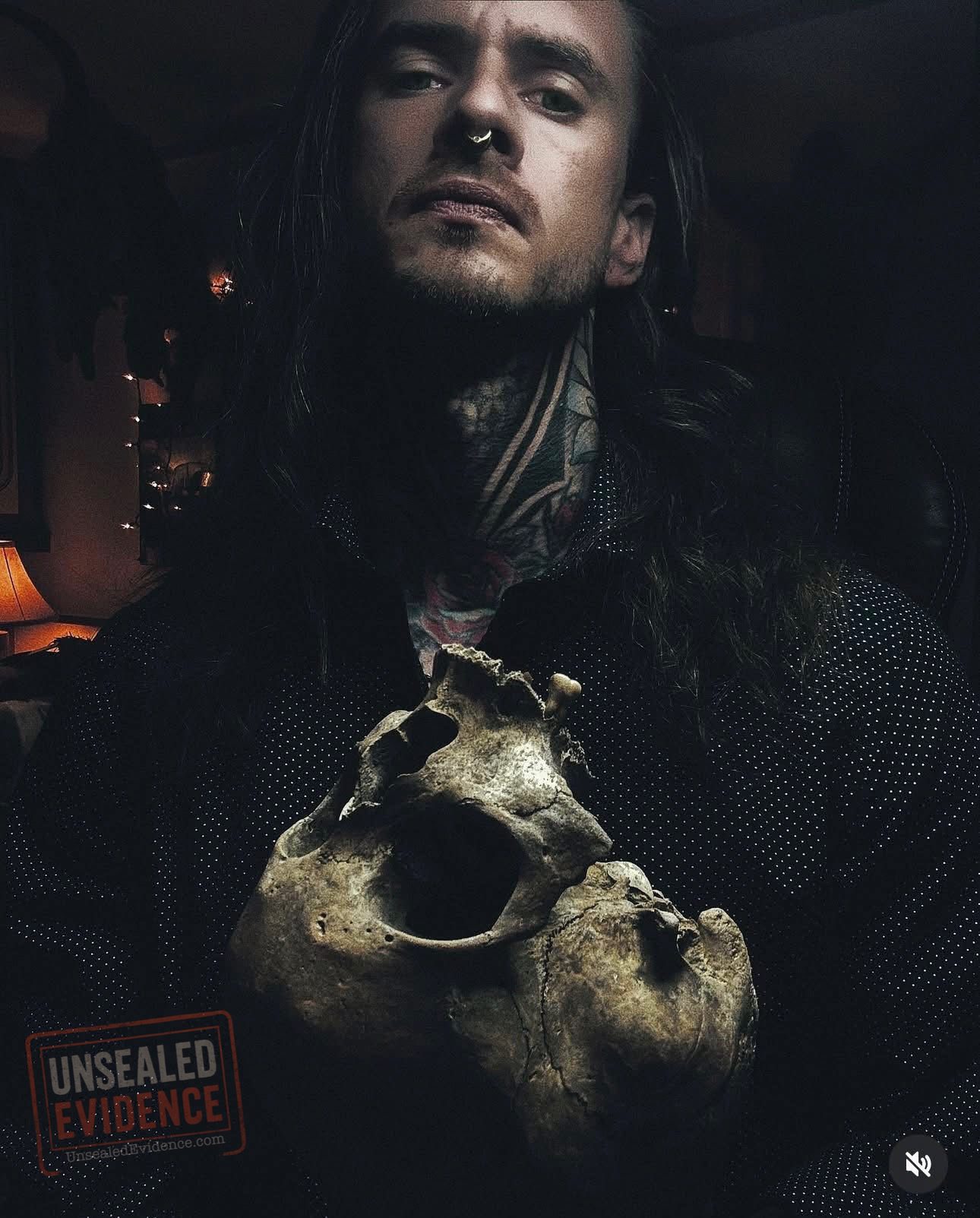
According to investigators, the vulnerability of Mount Moriah was not merely a matter of missing fences, but a systemic failure of stewardship that left thousands of remains exposed to those with the tools and the lack of conscience to exploit them. The cemetery, founded in 1855, was a product of the rural cemetery movement, designed to be a park-like escape where the living could honor the dead amidst grand architecture. However, as the vines grew thicker and the stone seals of the mausoleums began to crack from age and weather, the eternal rest promised to the inhabitants became subject to the whims of the illicit trade in human remains.
For months, the crumbling Romanesque gatehouse stood as a silent witness to repeated breaches. Court records show that between late November 2025 and early January 2026, the structural integrity of the cemetery was systematically assaulted. The target was not the modest earth burials, but the prestigious mausoleums and underground vaults that housed the well-preserved remains of Philadelphia's former elite. These structures, designed to protect the deceased for eternity, became the primary points of entry for a thief who viewed the dead as inventory for a burgeoning digital marketplace of oddities.
The Stakeout at the Gates: Surveillance and the Raven of Yeadon
The investigation that led to the basement in Ephrata began not with a single discovery, but with the persistent vigilance of the Friends of Mount Moriah Cemetery. This volunteer group, which has struggled to maintain the massive site in the absence of an owner, began noticing disturbing signs of activity in late 2025. Heavy stone doors had been pried open; marble seals were shattered; and the internal chambers of long-sealed vaults were suddenly accessible. According to investigators, the damage was not the work of random vandals, but the calculated efforts of someone with the physical strength and the specific tools required to bypass Victorian-era masonry.
Yeadon Borough police, in collaboration with the Delaware County District Attorney’s Office, initiated a month-long surveillance operation. Law enforcement utilized advanced tracking technology, including license plate readers positioned at the cemetery’s various unmonitored entrances. A pattern quickly emerged: a Toyota Rav4, registered to 34-year-old Jonathan Christian Gerlach of Ephrata, was flagged repeatedly in the vicinity during the hours when the breaches were suspected to have occurred. Cell phone records further corroborated these sightings, placing Gerlach’s device within the cemetery’s coordinates on at least six occasions between Halloween and Christmas Eve.
On the night of January 6, 2026, the stakeout culminated in a confrontation. Detectives observed the familiar Rav4 parked near a secluded section of the burial grounds. Looking through the windows, officers were met with a sight that challenged their professional composure: human bones and skulls were scattered across the back seat in plain view, as if they were common refuse. At approximately 10:00 p.m., Gerlach was seen exiting the darkness of the cemetery, carrying a heavy burlap bag and a crowbar.
When officers apprehended him, they discovered that the bag was filled with a gruesome assortment of remains. Court documents show that the sack contained the mummified bodies of two small children, three human skulls, and various long bones. Gerlach reportedly admitted on the spot that he had just removed the bones from a grave within Mount Moriah, even offering a preliminary estimate of his crimes: he claimed to have stolen approximately 30 sets of remains from the site over the previous months.
Behind the Basement Door: The Anatomy of an Ephrata Reliquary
While the arrest at the cemetery gate provided the initial evidence, the true scale of the desecration only became clear when investigators executed a search warrant at Gerlach’s home on Washington Avenue in Ephrata. Located approximately 70 miles west of the cemetery, the residence appeared to be a standard suburban home. However, the interior basement had been converted into what District Attorney Tanner Rouse described as a horror movie come to life.
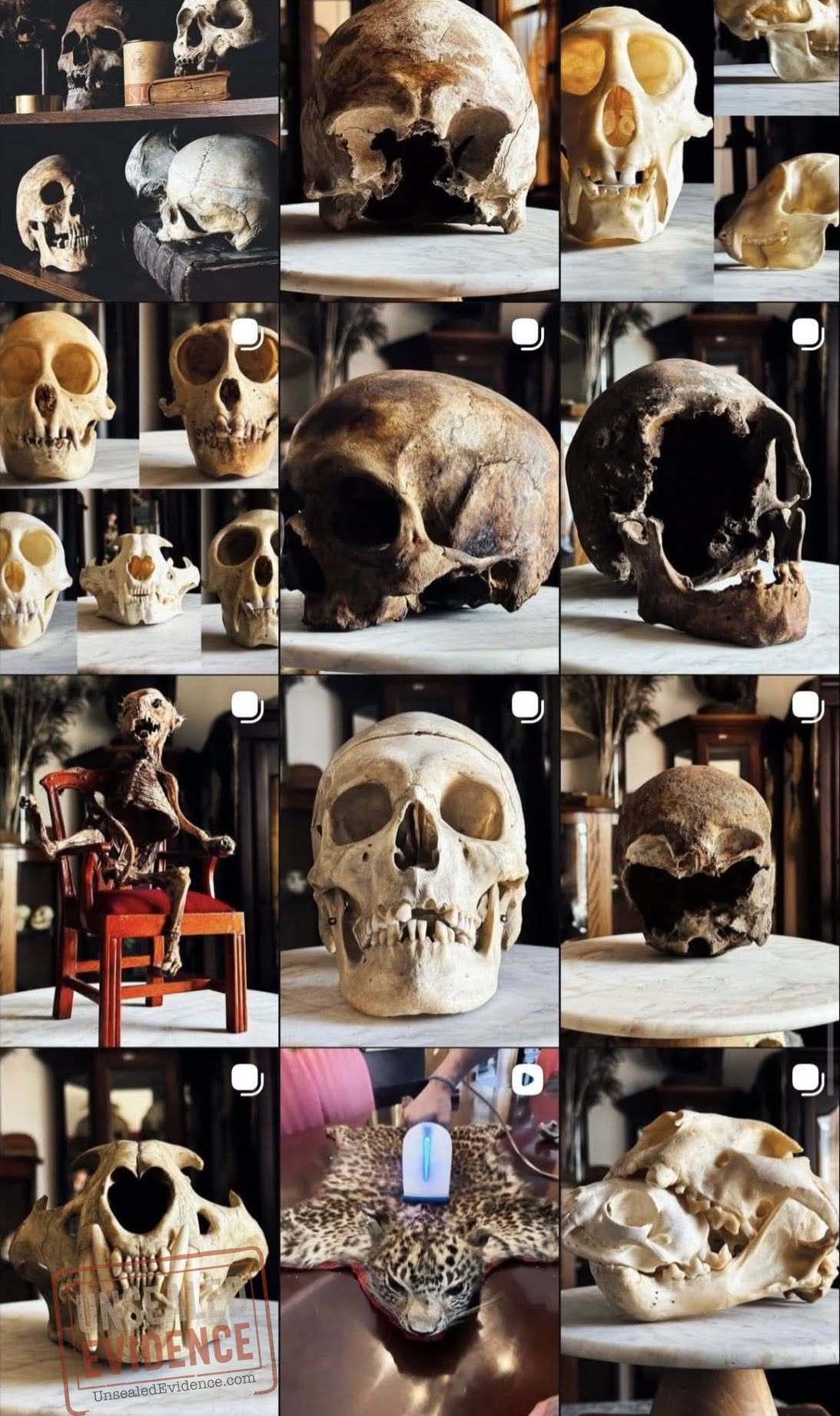
 According to investigators, the basement served as a primary processing and storage facility for the stolen remains. More than 100 human skulls were recovered, alongside a massive quantity of skeletal parts including mummified hands and feet. The organization of these remains was particularly disturbing. Some skulls were linedup on shelves like trophies, while other bones were reportedly hanging from the ceiling or pieced together into macabre displays. The air in the basement was thick with the scent of decay, a result of the discovery of two decomposing torsos that were in significantly more recent states of death than the Victorian-era skeletons found elsewhere.
The search also extended to a storage unit owned by Gerlach, where eight additional remains were discovered. Among the items found were personal effects taken from the graves—jewelry and clothing that had once adorned the deceased. In one instance, a cardiac pacemaker was found still attached to a set of remains, a jarring reminder of the modernity of some of Gerlach's victims. For days, forensic crews and medical examiners from Delaware and Lancaster counties worked to document the scene, carefully removing the remains for transport and eventual identification.
The Sacred and the Sold: Identifying the Lost Souls of the Victorian Era
The victims in this case are not merely the biological remains recovered from the basement; they are individuals whose final rest was violated for profit. According to investigators, the age of the remains varies wildly, reflecting a timeline that spans the entire history of the Commonwealth. Some of the skeletal remains are estimated to be over 200 years old, dating back to the earliest burials in the region, while others include months-old infants.
The challenge of identification is monumental. The mummified children found in the burlap bag represent a particularly heart-wrenching aspect of the case, as their small forms were preserved by the specific conditions inside the sealed vaults of Mount Moriah, only to be tossed into a bag with a crowbar. For the families whose ancestors are buried in the cemetery, the news has caused profound psychological distress. Mount Moriah is home to thousands of veterans, including 25 Medal of Honor recipients and over 2,400 sailors in the Naval Plot.
Investigators have emphasized that the jewelry and medical devices recovered—such as the pacemaker—will be crucial for identification. However, the process is complicated by the state of Mount Moriah itself. As an abandoned cemetery, its records are incomplete, and many of the breached mausoleums had already suffered from decades of vandalism and environmental damage before Gerlach ever arrived. The Yeadon Police Department has established a specific protocol for families to contact them, hoping to cross-reference the recovered items with family histories and burial records.
Digital Graves: The Deadshitdaddy Persona and the Marketplace of Bones
The motive behind the hundreds of counts of desecration appears to be a toxic blend of obsession and commerce. According to investigators, Gerlach was a prominent participant in an online subculture dedicated to the trade of human oddities. He was an active member of the Human Bones and Skull Selling Group on Facebook, where users buy and sell human remains for personal collections. His digital footprint revealed a man who saw his activities not as a crime, but as a lifestyle.
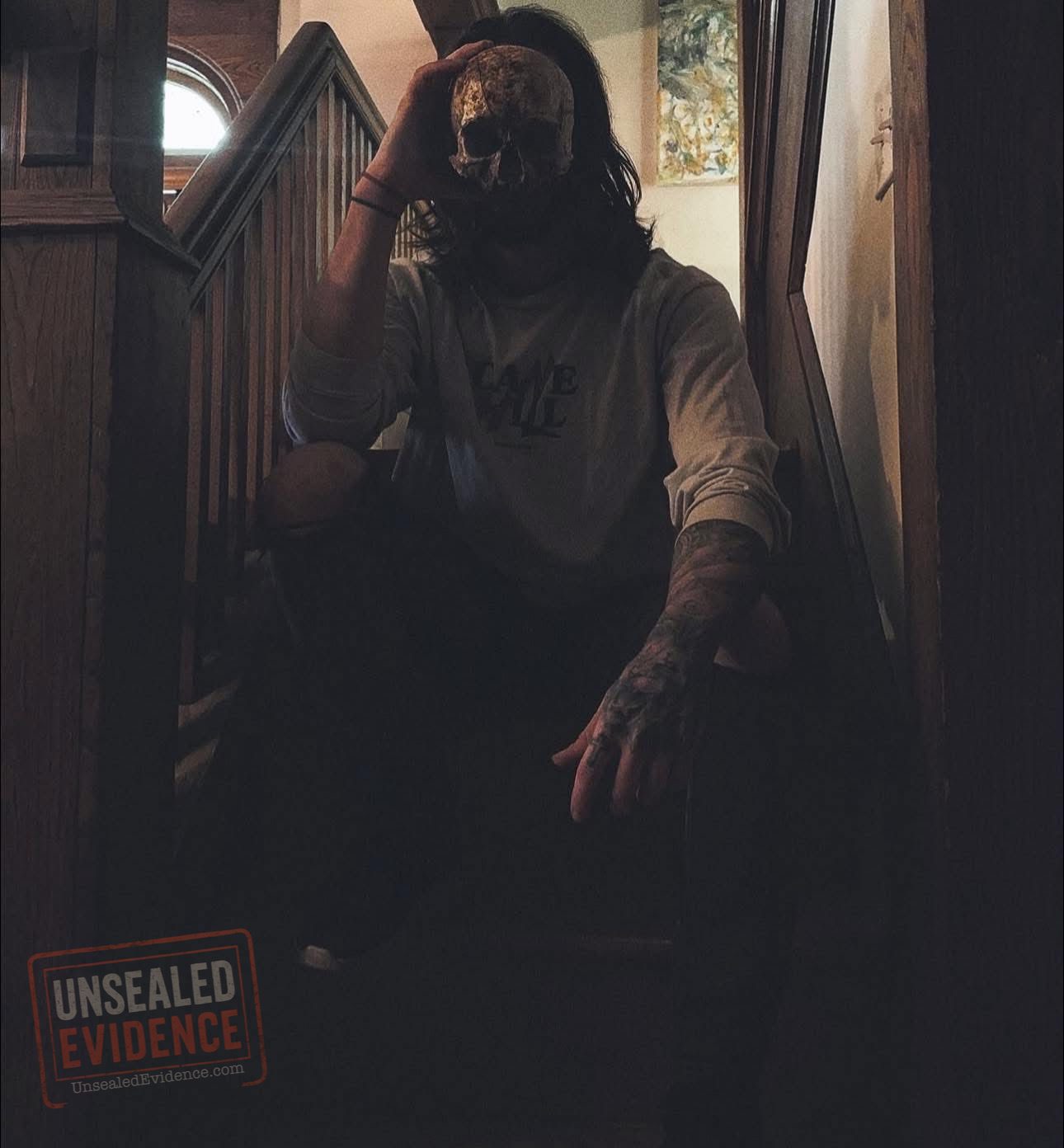
The investigation into his social media presence uncovered even more disturbing details. On Instagram, using the handle deadshitdaddy, Gerlach posted over 100 images of human skulls and skeletal parts. Many of these images included captions suggesting that the items were for sale. According to court records, one post linked to Gerlach featured a buyer thanking him for a mail call that included a possible teen for their collection. This suggests a sophisticated distribution network where Gerlach functioned as a primary supplier for collectors across the country.
The financial trail of these transactions was conducted through digital platforms like CashApp. Investigators discovered that Gerlach’s account featured a profile picture of an unknown person holding a human skull, further linking his financial life to his grave-robbing activities. The investigation is now focused on identifying the buyers who participated in this trade. Anonymity of the internet has allowed for the expansion of a market that once would have been confined to the darkest corners of society.
The Ripple Effect: From Luzerne Crypts to Philadelphia Vaults
As the investigation into the Mount Moriah breaches expanded, detectives began to look for connections to other unsolved grave robberies across Pennsylvania. They found a striking parallel in Luzerne County. In early November 2025—around the same time the Mount Moriah burglaries began—the Good Shepherd Memorial Mausoleum in Plains Township was breached. Two sets of remains, identified as Leo Terence and Mary Cappellini Piga, were removed from their crypts.
The methodology in the Luzerne County case matched Gerlach’s signature at Mount Moriah: the use of heavy tools to breach stone mausoleums and the specific targeting of remains within vaults. Furthermore, an online tip received by Lancaster City police in December specifically linked Gerlach to the Plains Township robbery. Forensic evidence from the Good Shepherd crime scene, including energy drink cans and cigarette butts, has been sent to the state police lab for DNA comparison with the evidence found in Gerlach’s home.
A Litany of Desecration: The Legal Reckoning for Five Hundred Crimes
The legal consequences for Jonathan Gerlach are as vast as the collection found in his basement. According to investigators, the Commonwealth of Pennsylvania has filed 574 separate criminal charges against him. This extraordinary number of charges reflects the decision by prosecutors to charge each individual set of remains and each individual breach of a monument as a separate criminal act.
| Lead Charges Against Jonathan Gerlach | Total Counts |
|---|---|
| Abuse of a Corpse | 100 counts |
| Theft by Unlawful Taking | 100 counts |
| Receiving Stolen Property | 100 counts |
| Burglary (Mausoleums/Vaults) | 26 counts |
| Criminal Trespass | 26 counts |
| Desecration of Venerated Objects | 26 counts |
| Desecration of Public Monument | 26 counts |
| Desecration of Historic Burial Place | 26 counts |
Gerlach is currently being held at the George W. Hill Correctional Facility in Delaware County in lieu of $1 million cash bail. His preliminary hearing is scheduled for January 20, 2026, before Magisterial District Judge W. Keith Williams II. Prosecutors have indicated that they will seek maximum penalties, emphasizing the sheer, utter lack of reasonable explanation for his actions. The legal strategy will likely focus on the intent to profit from the desecration.
The Future of the Forgotten: Restoration and Accountability
The resolution of the Gerlach case will not end with a conviction. For Mount Moriah Cemetery, the damage is both physical and spiritual. The 26 mausoleums and vaults that were breached must be professionally repaired and resealed—a costly endeavor for a site with no owner and limited volunteer resources. The Friends of Mount Moriah have expressed their gratitude for the investigation but remain focused on the long-term challenge of securing the 200-acre property from future exploitation.
According to investigators, the case has also prompted a statewide conversation about the protection of abandoned cemeteries. Mount Moriah is the largest, but it is not the only historic burial ground in Pennsylvania suffering from neglect. Without legislative action to provide for the maintenance and security of these sites, they remain vulnerable to bone merchants and vandals. The medical examiners are now tasked with the grim duty of re-associating the remains, matching more than 100 skulls and thousands of bones back to their original vaults.
Continue Investigating
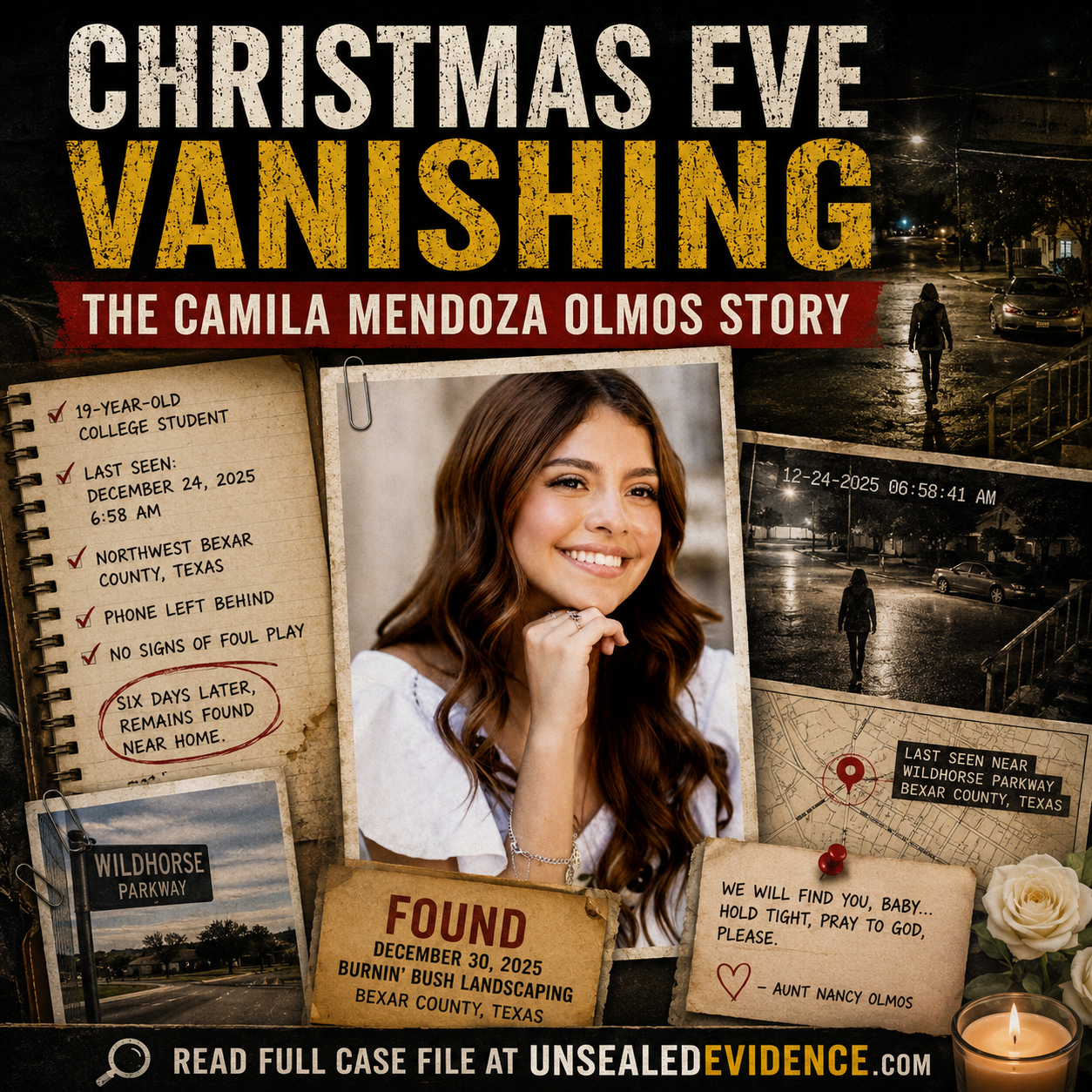
Christmas Eve Vanishing: The Camila Mendoza Olmos Story
Christmas Eve Vanishing: The Camila Mendoza Olmos Story Camila Mendoza Olmos, a 19-year-old college student in northwest Bexar County, Texas, disappeared on the morning of Wednesd
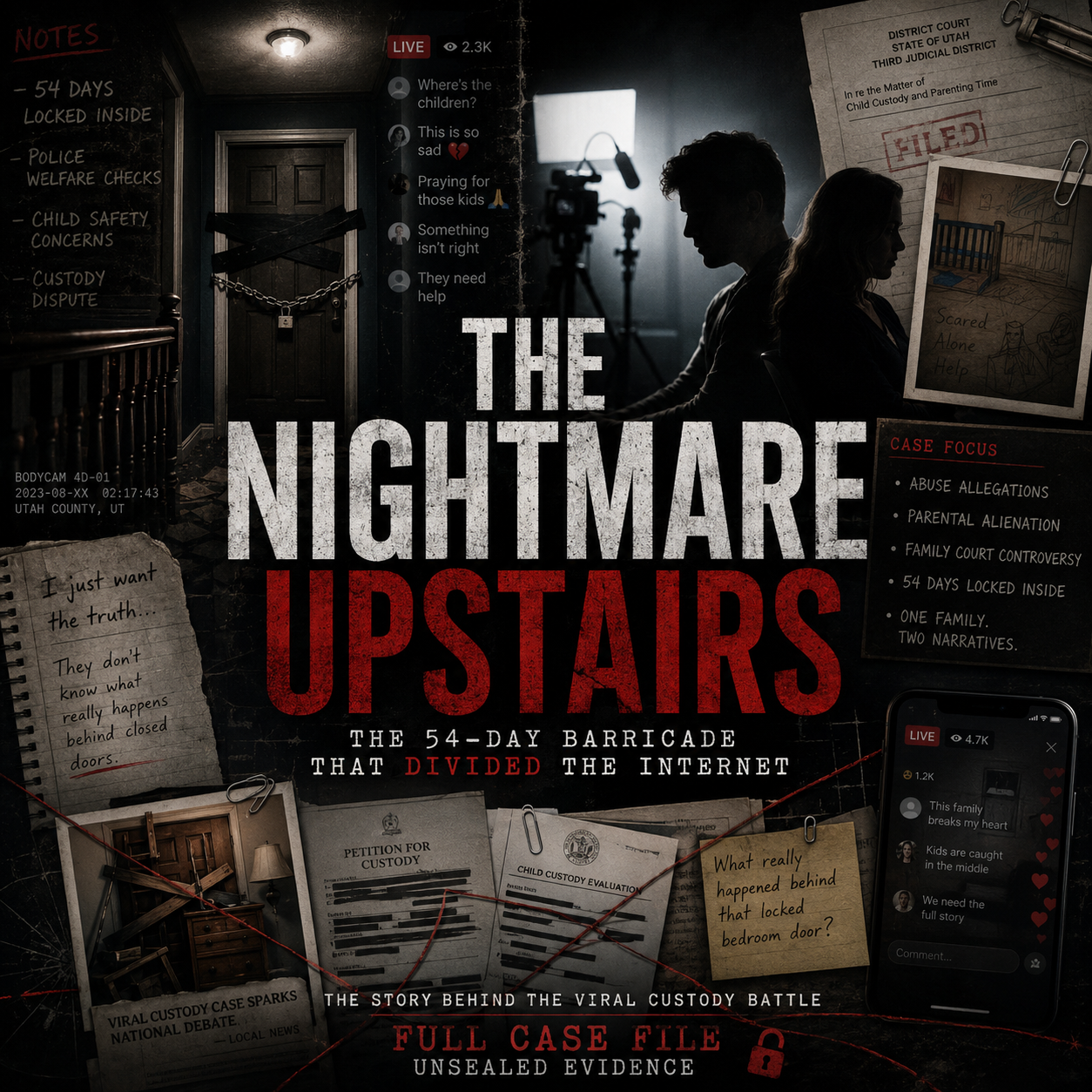
Behind the Locked Door: The Ty and Bryn Larson Custody Battle and the 54-Day Barricade
The Ty and Bryn Larson case became one of the most controversial and widely discussed family court stories in recent years after two Utah siblings barricaded themselves inside an u
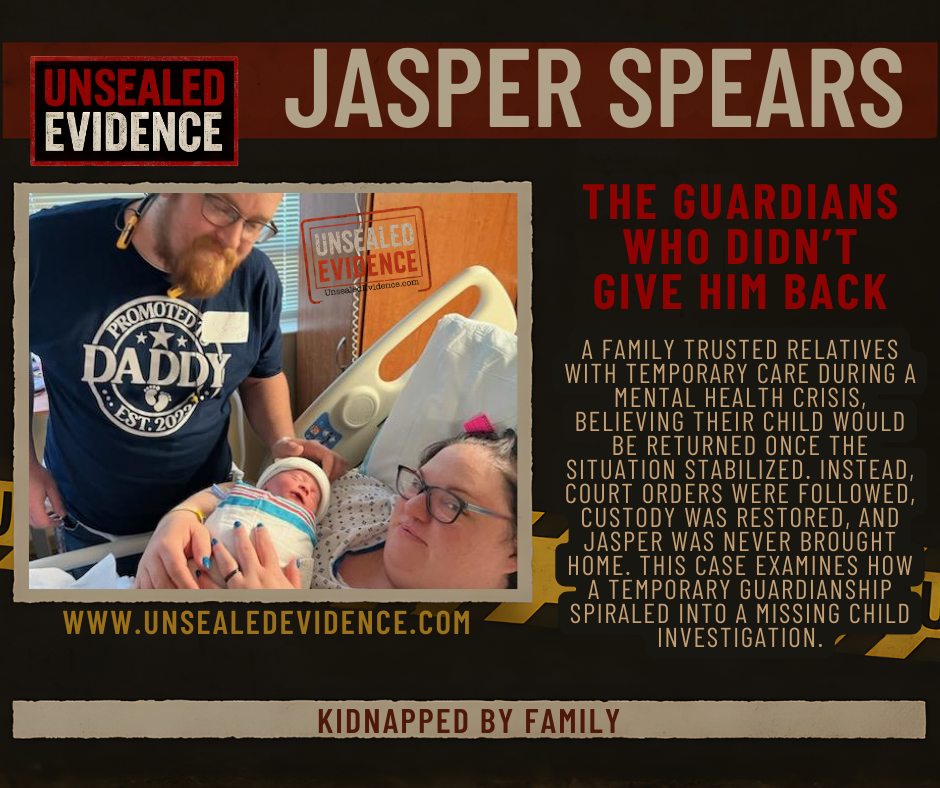
The Guardians Who Didn’t Give Him Back: Jasper Michael Spears
The Guardians Who Didn’t Give Him Back: The Disappearance of Jasper Michael Spears The Hospital Visit That Started Everything Jasper Michael Spears was born on November 6,
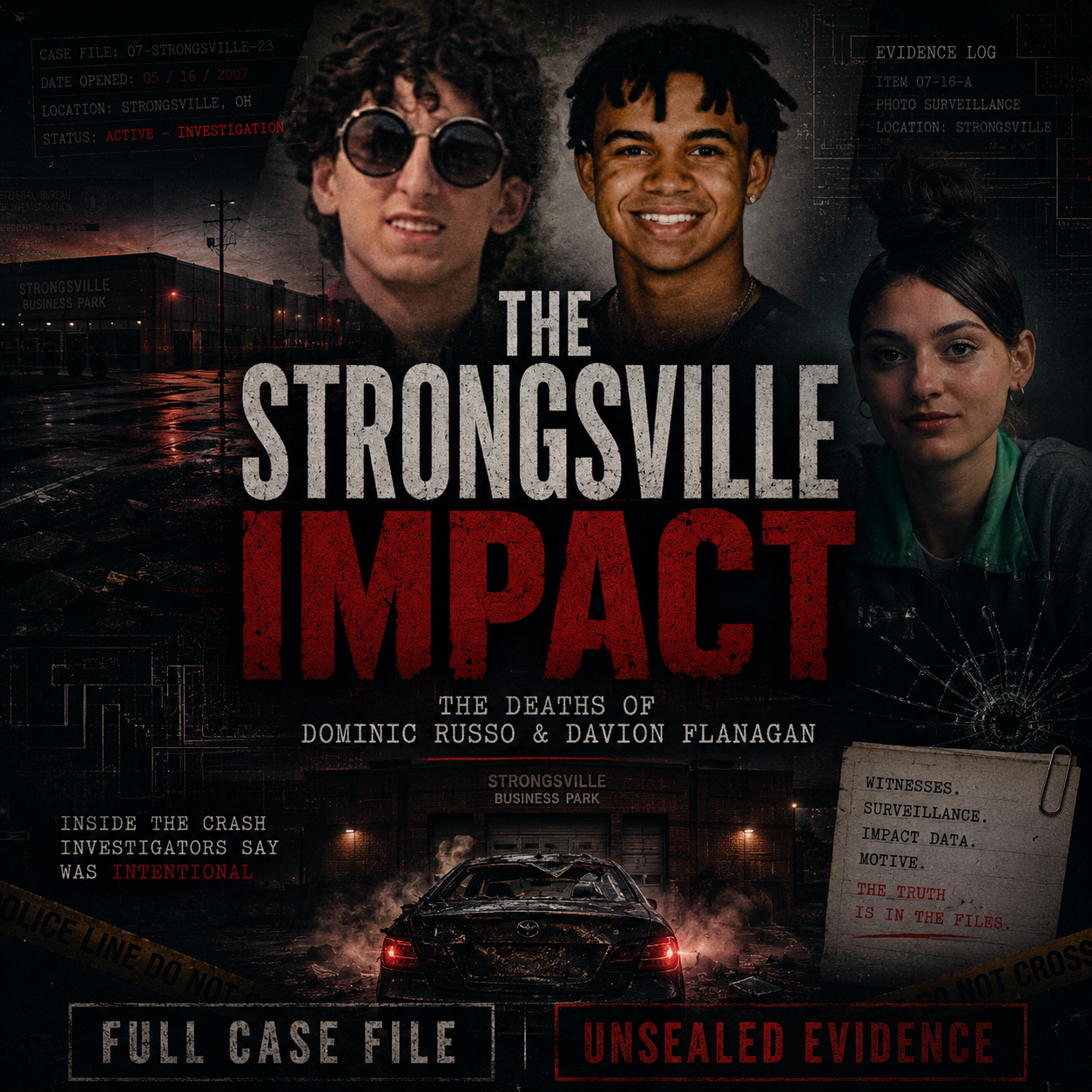
The Strongsville Impact: The Deaths of Dominic Russo and Davion Flanagan
In the early morning hours of July 31, 2022, a devastating crash in Strongsville left 20-year-old Dominic Russo and 19-year-old Davion Flanagan dead after a Toyota Camry driven by
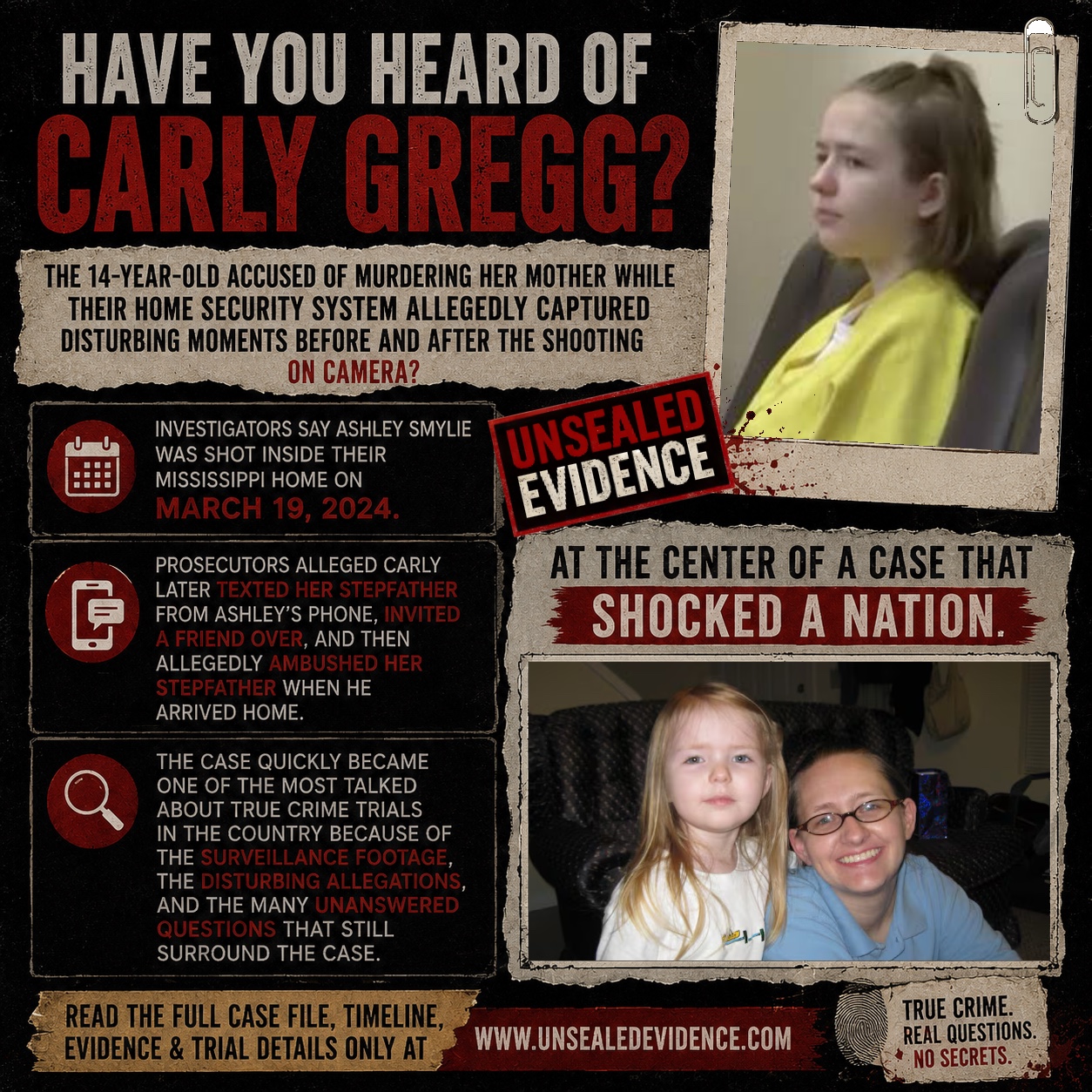
The Day the Silence Broke: A Human Account of the Carly Gregg Tragedy
March 19, 2024. A Tuesday. In the quiet, unassuming town of Brandon, Mississippi, a day that began with the mundane rhythm of school and work would spiral into a vortex of horror,
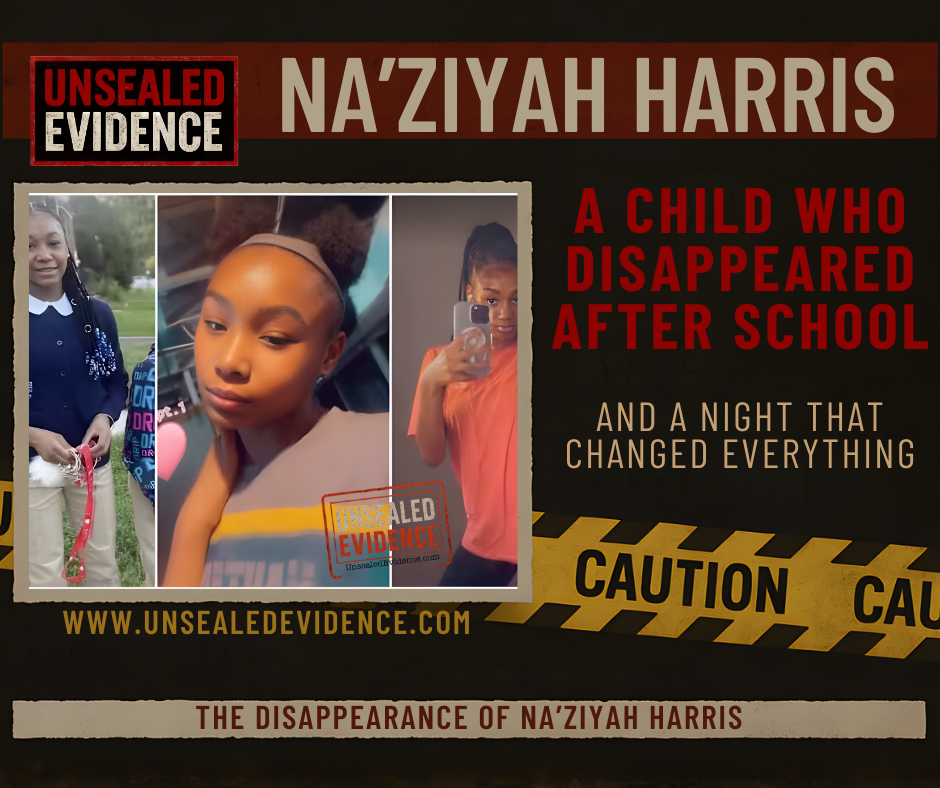
The Rugrats Coat Disappearance: The Killing of Na’Ziyah Harris Without a Body
Vanished After the Bus Stop: A Detroit Afternoon That Changed Everything On January 9, 2024, a thirteen-year-old girl stepped off her school bus on Detroit’s east side, wear
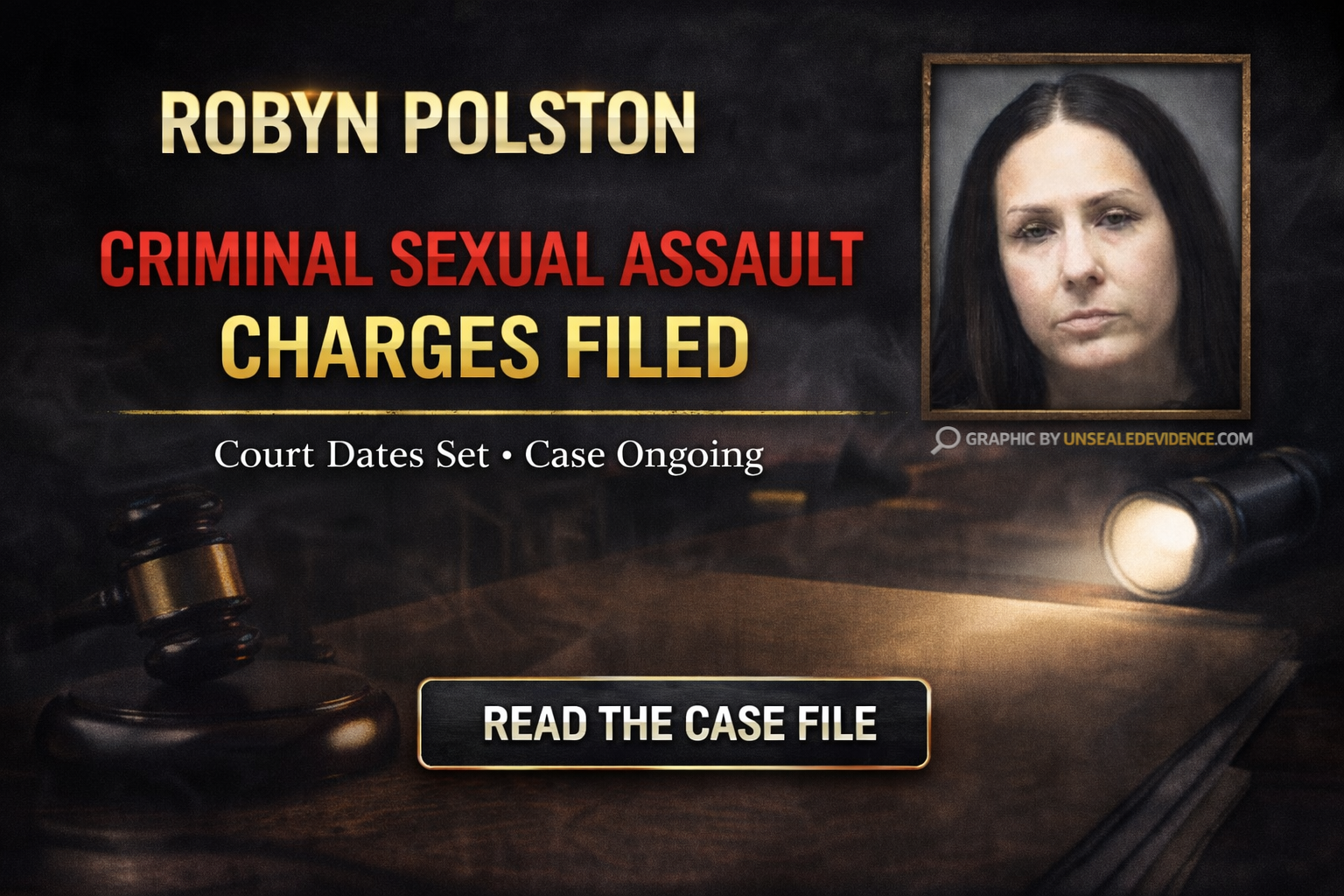
Dance Floor Deception: The Washington, Illinois Case of Robyn Polston and the Newborn at the Center of It All
The Night It Began at a School Dance In May 2023, inside a junior high school gymnasium in Washington, Illinois, colored lights reflected off polished floors as students gathered
Taken at Sears: The Abduction That Changed America Forever
Forensic and Socio-Legislative Analysis of the Adam Walsh Abduction and Its Impact on American Jurisprudence The abduction and murder of six-year-old Adam Walsh on Jul