
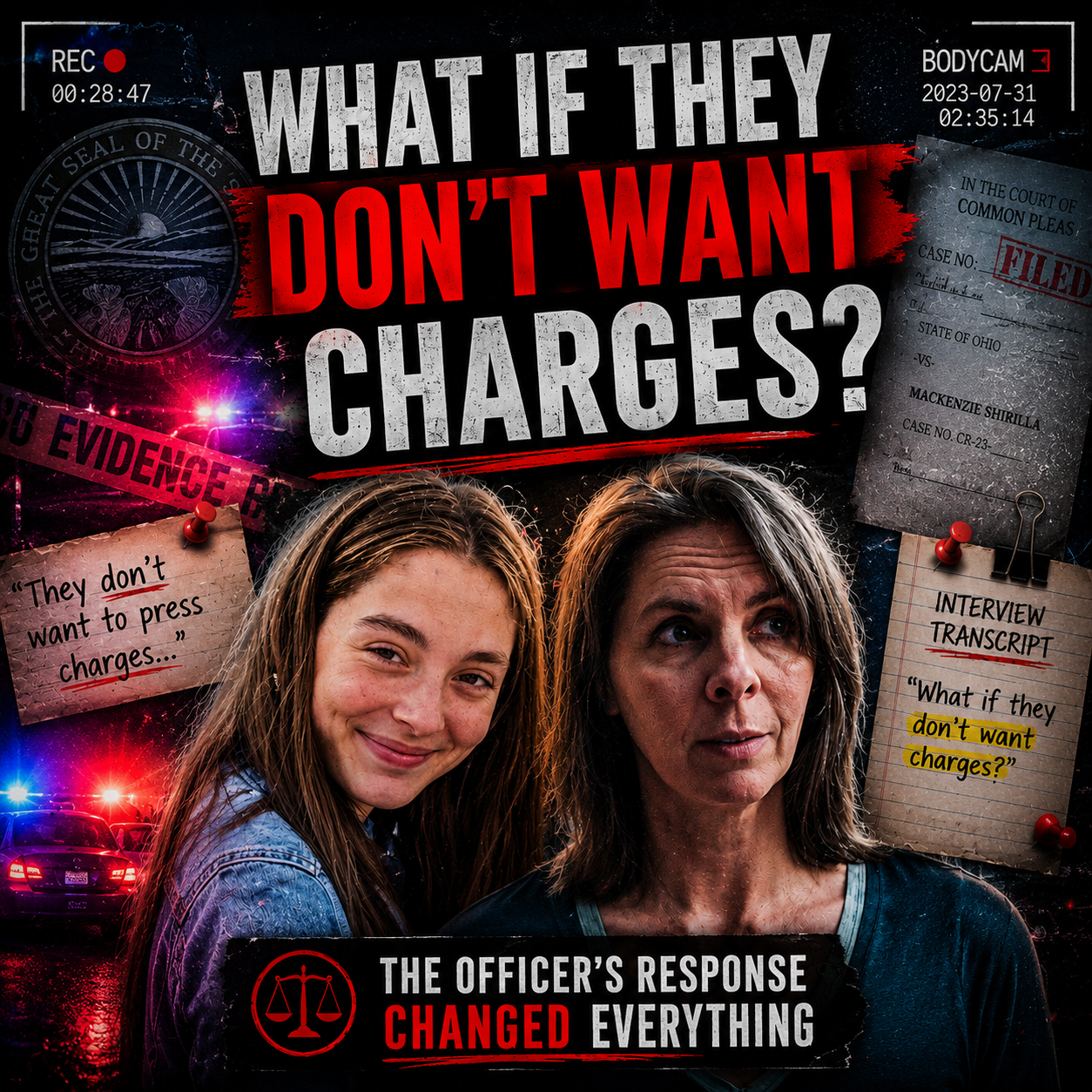
"What If The Families Don't Want Charges?" The Bodycam Exchange People Can't Stop Talking About
One of the most revealing moments in the newly released Mackenzie Shirilla bodycam footage has nothing to do with the crash itself. Instead, it centers on a conversation about whether Dominic Russo's and Davion Flanagan's families wanted criminal charges filed—and the officer's explanation of why that decision was no longer up to them.
The Exchange That Explained Everything
As more FOIA material continues becoming available in the Mackenzie Shirilla case, viewers are gaining access to conversations that happened long before documentaries, appeals, and social media debates took over the public discussion.
Some of those conversations focus on evidence.
Some focus on procedure.
And some reveal how different people understood the situation unfolding around them.
One of the most talked-about exchanges involves a discussion about criminal charges and whether Dominic Russo's and Davion Flanagan's families wanted those charges to move forward.
For many viewers, the officer's response became one of the most important moments in the entire bodycam recording.
The Question That Sparked Debate
According to the bodycam footage, questions were raised regarding what would happen if the families of Dominic Russo and Davion Flanagan did not want charges filed.
At first glance, that question may not seem unusual.
Many people grow up believing that criminal cases begin because victims choose to press charges.
Television shows often reinforce that idea.
Popular culture reinforces that idea.
And in some lower-level offenses, victim cooperation can absolutely influence how a case proceeds.
But homicide investigations operate differently.
And that distinction became the focus of the officer's response.
"It's Not Up To Them"
The officer reportedly explained that the decision did not belong to the families.
Instead, it belonged to the State.
That explanation is significant because it highlights a reality that many people misunderstand.
When someone is accused of causing another person's death, the case is no longer treated as a private dispute between individuals.
The government becomes the prosecuting party.
The State determines whether sufficient evidence exists.
The State decides whether charges should be pursued.
The State represents the interests of society as a whole.
That is why homicide cases are often described as crimes against society rather than crimes against a single individual.
Why The Conversation Stood Out
For critics of Mackenzie Shirilla, this exchange immediately raised questions.
Not because of the legal explanation itself.
But because of what the conversation appeared to focus on.
At the time, investigators were examining a crash that had claimed the lives of Dominic Russo and Davion Flanagan.
Evidence was being gathered.
Witnesses were being interviewed.
The legal process was beginning to take shape.
Yet part of the discussion reportedly centered on whether the families wanted criminal charges.
For some observers, that felt like a misunderstanding of the reality investigators were confronting.
Others view it as a perfectly reasonable question from people trying to understand a complicated legal process.
And that difference in interpretation continues fueling debate.
A Common Misconception
One reason this exchange resonates with so many viewers is because the misconception itself is extremely common.
People often say they want to press charges.
People often say they do not want to press charges.
But in many serious criminal cases, those decisions ultimately belong to prosecutors.
Victims and families can certainly share their wishes.
Their voices matter.
Their opinions matter.
But those wishes do not automatically determine whether a prosecution moves forward.
In homicide investigations, the government has an independent interest in determining whether a crime occurred.
That principle exists regardless of what any individual family wants.
What The Exchange Reveals
To me, the most interesting aspect of this conversation is not the legal lesson itself.
It is what the conversation reveals about perspective.
When people hear this exchange, they are not really debating criminal procedure.
They are debating how different people viewed the situation in those early days.
Some hear a family desperately trying to understand what was happening.
Others hear a family searching for a way to avoid the consequences that might follow.
Those competing interpretations are exactly why the footage continues generating discussion.
The bodycam does not tell viewers what to think.
It simply captures a moment.
The public supplies the interpretation.
My Thoughts
Personally, I think the officer handled the situation well.
His explanation was direct.
It was clear.
And it highlighted an important truth about how serious criminal cases work.
Once investigators believe a crime may have occurred, the process becomes much larger than any one family.
At that point, the legal system is evaluating evidence, not opinions.
That is exactly what the officer appeared to be communicating.
Final Thoughts
Among the growing collection of FOIA material released in the Mackenzie Shirilla case, this conversation may be one of the most educational.
Not because it reveals new evidence.
Not because it changes the facts of the crash.
But because it sheds light on how criminal investigations actually work.
Years later, viewers are still discussing this exchange because it captures a moment where legal reality collided with personal expectations.
And sometimes those moments reveal just as much as the evidence itself.
Continue Investigating
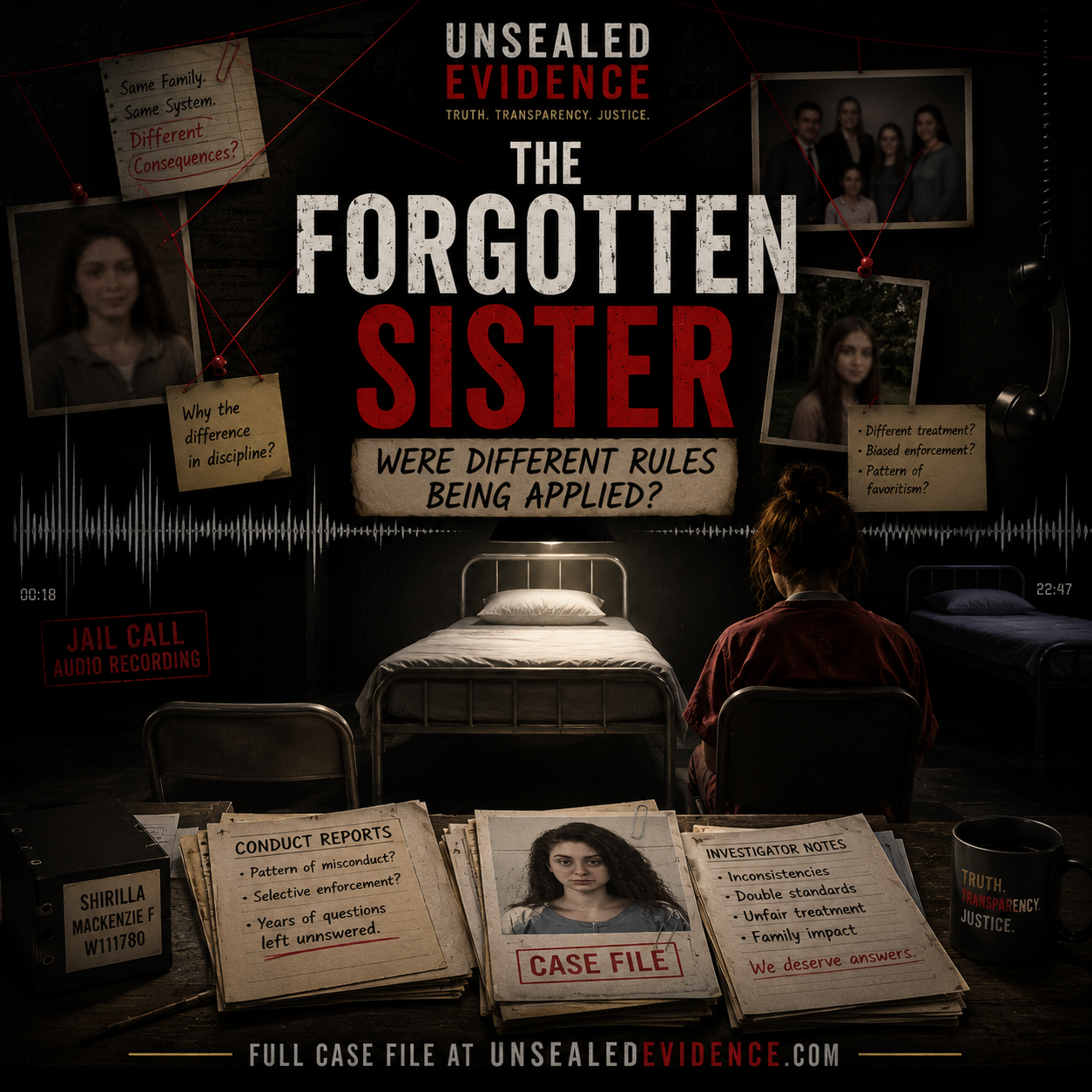
The Forgotten Sister: Was Danielle Shirilla Held To Different Standards Than Mackenzie?
One comment buried inside a recorded jail call has people asking a question few seem interested in discussing: what was life like for Danielle Shirilla? While Mackenzie Shirilla became the focus of documentaries, headlines, and public attention, her older sister remains almost entirely absent from the story. A remark about Danielle losing her bed frame has reignited conversations about whether both daughters were held to the same standards.
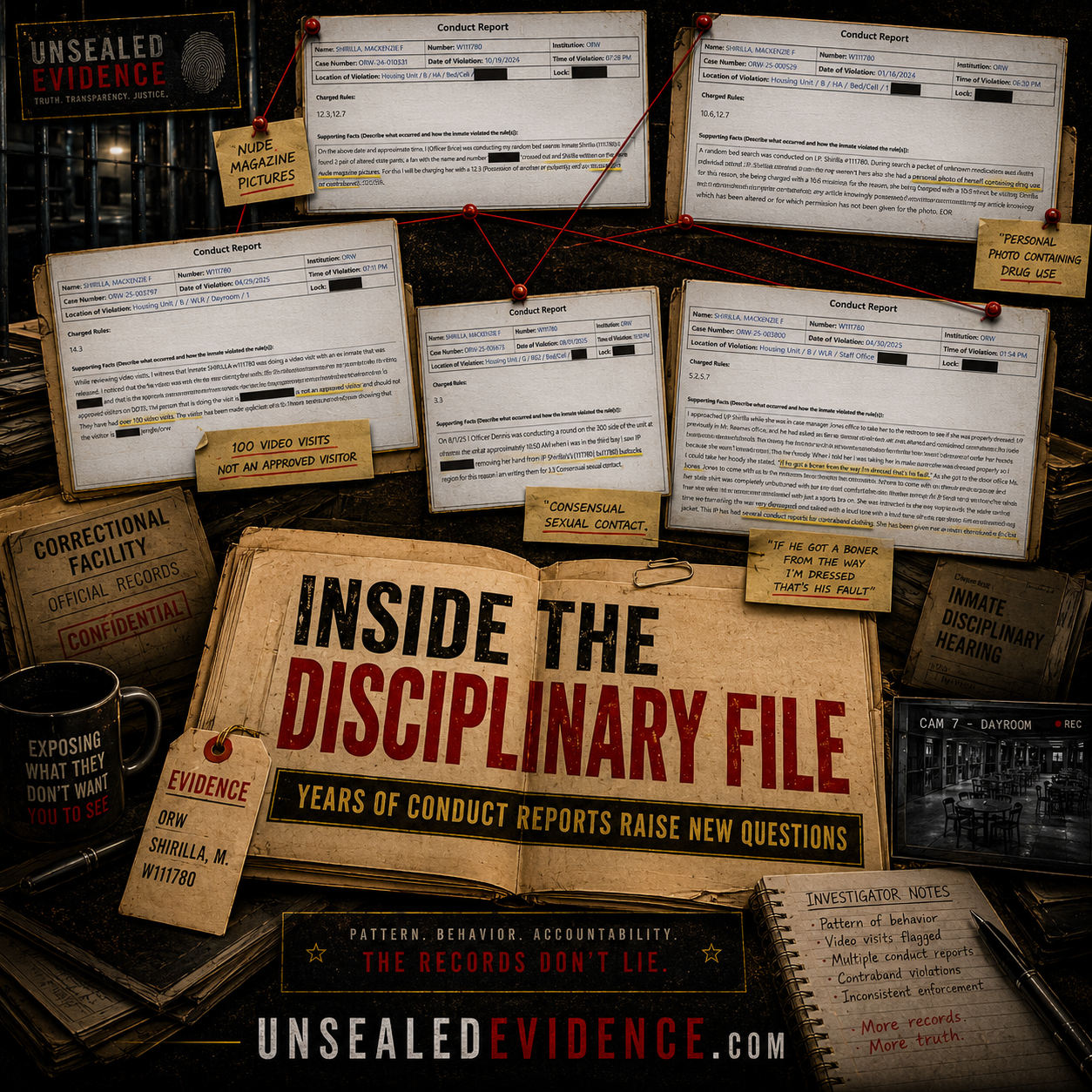
Nude Photos, Explicit Video Calls, Unauthorized Medication and More: Inside Mackenzie Shirilla's Prison Disciplinary File
What exactly has Mackenzie Shirilla been getting written up for while behind bars? Newly obtained disciplinary records reveal allegations involving nude magazine photos, unauthorized medication, explicit video calls, stolen property, contraband, and more.

Kim Kardashian Reportedly Has No Interest In Mackenzie Shirilla's Case
Recorded jail calls revealed Mackenzie Shirilla discussing the possibility that Kim Kardashian might take an interest in her case. Days later, multiple media outlets reported that sources close to Kardashian indicated she has no plans to become involved, raising new questions about how Mackenzie and her family view public attention surrounding the case.
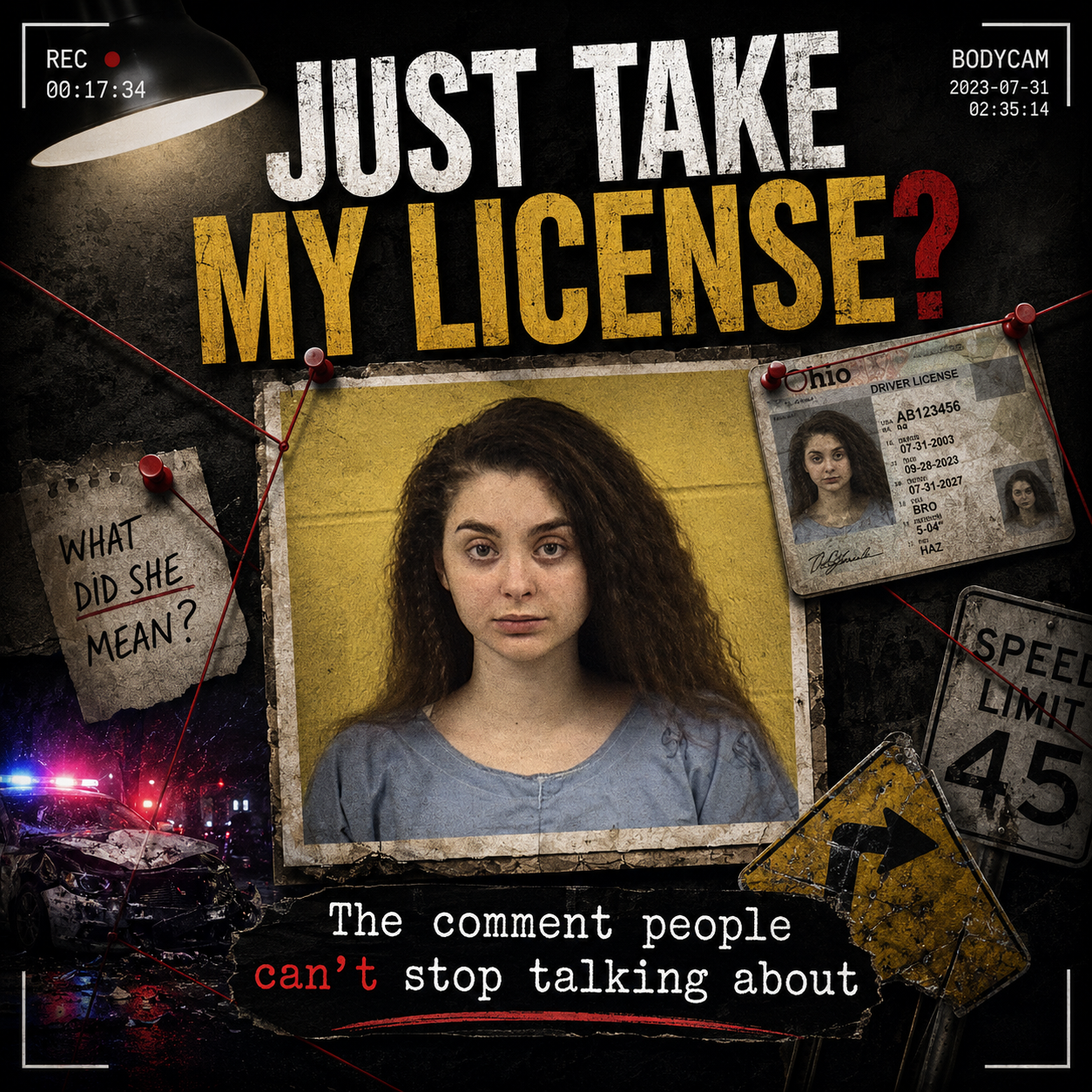
Did Mackenzie Shirilla Think Losing Her License Was the Worst Possible Outcome?
Among the newly released bodycam footage in the Mackenzie Shirilla case, one comment continues generating strong reactions. During a conversation with police, Mackenzie reportedly asked whether her driver's license could simply be taken away for ten years. Years later, critics still point to that exchange as a revealing glimpse into how she may have viewed the situation in the immediate aftermath of the crash.
Why Were Snapchat Messages One of Mackenzie Shirilla's First Concerns After the Crash?
Newly released bodycam footage from the Mackenzie Shirilla case is sparking debate online after a conversation about Snapchat messages took center stage shortly after investigators returned her phone. For critics of Mackenzie Shirilla, the exchange raises uncomfortable questions about priorities, mindset, and what seemed most important in the aftermath of a crash that killed Dominic Russo and Davion Flanagan.

More Than The Friend In The Backseat: Remembering Davion Flanagan
In many true crime stories, victims slowly become overshadowed by the person responsible. But Davion Flanagan was more than a victim. He was an athlete, a mentor, a son, a friend, and a young man with dreams of becoming a barber. This is the story of who Davion was before the headlines.

The Midnight Warm Milk Mystery: The Text Messages Raising New Questions About Mackenzie Shirilla's Home Life
Among the thousands of text messages extracted from Mackenzie Shirilla's phone, one recurring theme stands out. Over and over again, often after midnight and sometimes as late as 3 AM, Mackenzie repeatedly asked her father to make her warm milk. The requests appear frequently enough to draw attention, but it is the surrounding circumstances that have left many people asking whether these messages were really about milk at all.
Why So Many People Believe Mackenzie Shirilla’s Parents Failed To Intervene Before The Strongsville Crash
The Mackenzie Shirilla case has reignited a much larger public conversation about parenting, warning signs, enabling behavior, accountability, and whether tragedies like the Strongsville crash can sometimes be prevented long before they happen.