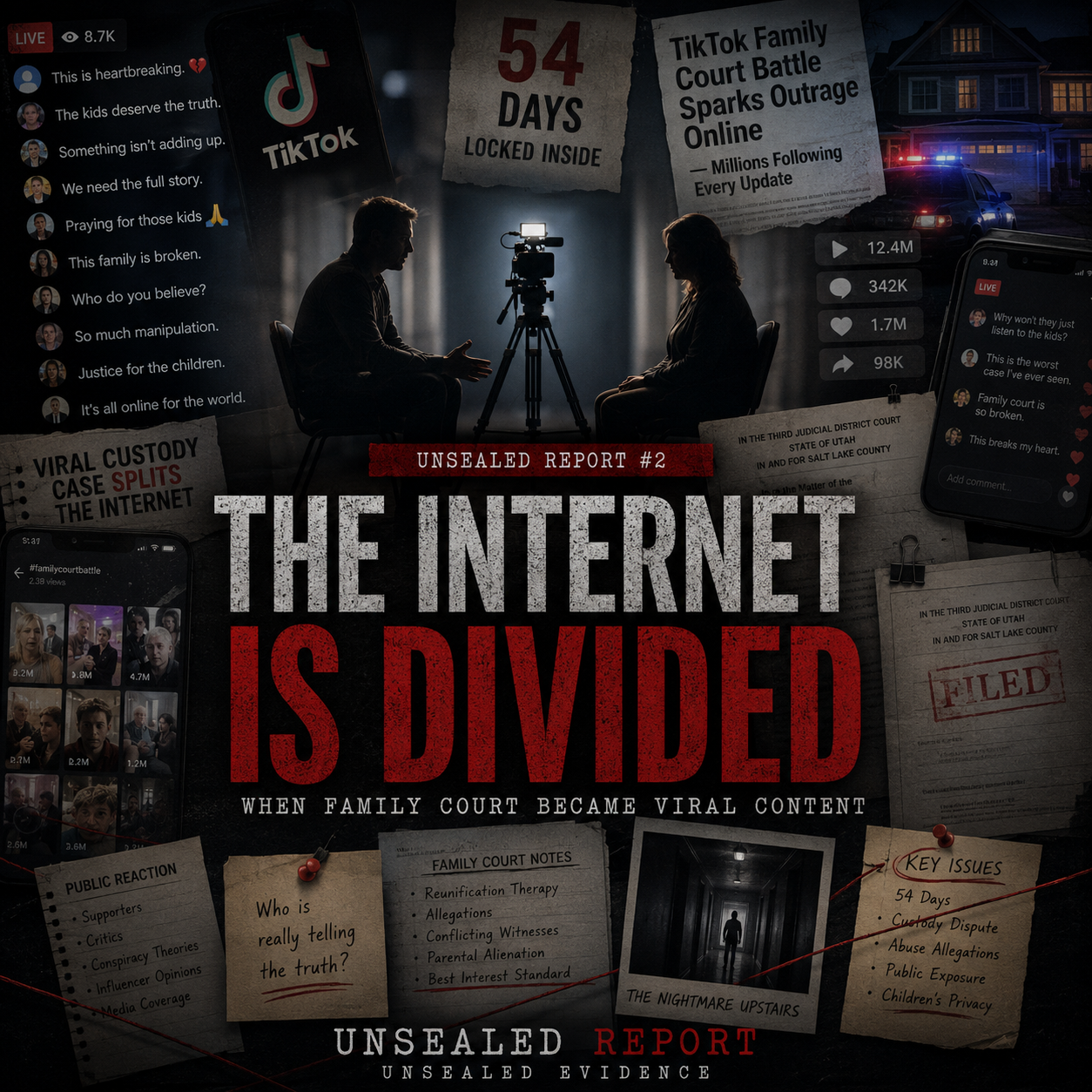
The Internet Is Divided Over Ty & Bryn’s Mother — And The TikToks Made It Worse
As The Nightmare Upstairs continues spreading online, many viewers are finding themselves deeply conflicted over Jessica Zahrt’s role in the case. While some believe she protected her family during a terrifying custody battle, others believe the TikTok livestreams and social media attention may have intensified an already explosive situation.
One of the most uncomfortable parts of The Nightmare Upstairs wasn’t actually the barricade itself.
It was the internet’s reaction to the mother.
Because while many viewers walked away feeling sympathy for Ty and Bryn, a lot of people also found themselves deeply conflicted about Jessica Zahrt.
And honestly?
That conflict is exactly what makes this case so complicated.
On one hand, supporters believe Jessica was protecting her family during a terrifying custody battle.
On the other hand, critics believe parts of her behavior — especially online — blurred the line between advocacy and influence.
The TikToks became one of the biggest talking points after the documentary aired.
Because while the barricade was unfolding during an active custody dispute, social media content continued circulating online.
For some viewers, the posts came across as awareness and support.
For others, the content felt deeply unsettling.
And that’s where the public starts splitting HARD on this case.
There are viewers who believe Jessica deserves credit for listening when fear and distress were being expressed.
Then there are viewers asking:
Why was so much of this unfolding online in real time?
That question became even bigger once people realized millions of strangers were actively watching livestreams tied to a family court crisis.
Think about how bizarre that really is for a second.
A private custody battle became internet content.
People picked sides.
Comment sections became war zones.
Strangers analyzed body language.
Livestream clips spread everywhere.
At some point, the story stopped feeling like a private family tragedy and started feeling like a social media spectacle.
And that’s one of the most disturbing parts of this entire situation.
Because regardless of where someone stands on the allegations, this was still a deeply emotional and psychological crisis unfolding in front of the internet.
The documentary never fully answers where advocacy ends and exploitation begins.
And honestly?
That may be because there ISN’T a clear answer.
Some viewers felt the mother was doing the only thing she could to protect her family.
Others walked away wondering whether social media intensified an already volatile situation.
But almost everybody seems to agree on one thing:
This case probably never would have exploded the way it did without TikTok.
The livestreams changed everything.
They shaped public perception.
They created online activism.
They brought national attention.
They fueled backlash.
They pressured courts.
They transformed a custody battle into viral content.
And now years later, the internet still cannot agree on whether that visibility helped the situation…
or made everything worse.
Continue Investigating
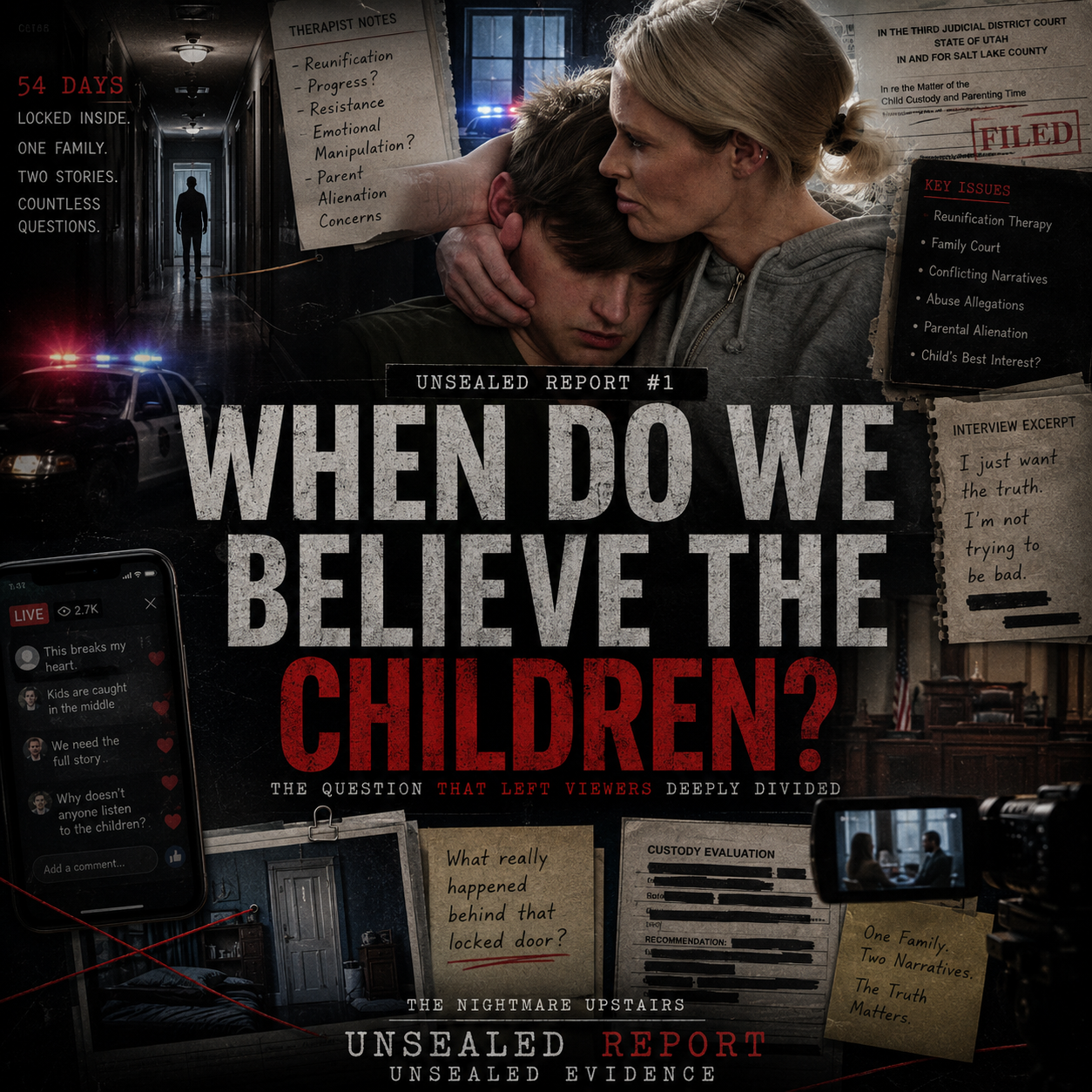
“When Do We Believe The Children?” — The Question That Hit Hardest In The Nightmare Upstairs
One moment from Hulu’s The Nightmare Upstairs continues haunting viewers long after the documentary ends. As Ty Larson expressed fear about reunification with his father, the response he received sparked outrage online and reignited a larger debate surrounding abuse allegations, parental alienation, and whether family courts truly listen when children say they are afraid.
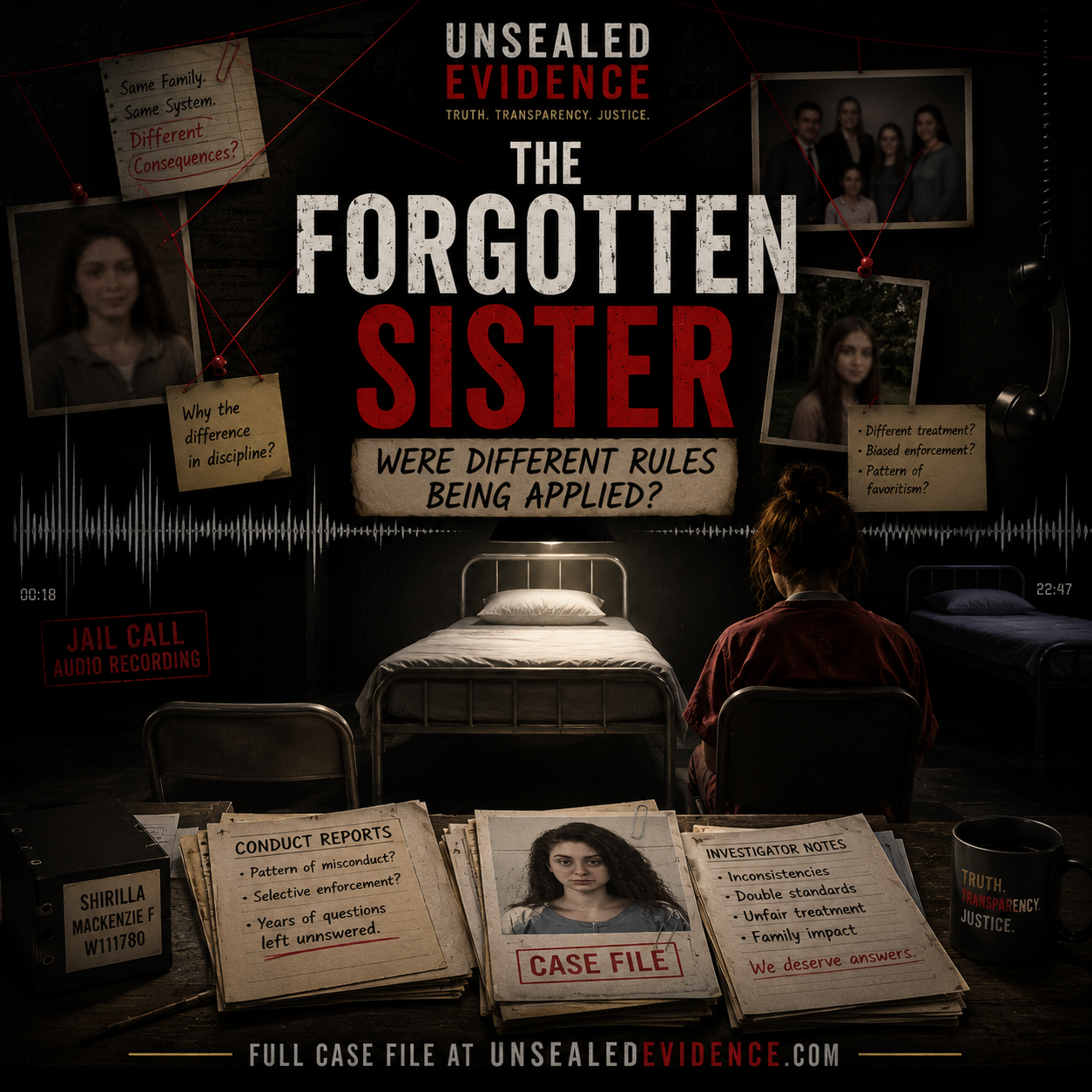
The Forgotten Sister: Was Danielle Shirilla Held To Different Standards Than Mackenzie?
One comment buried inside a recorded jail call has people asking a question few seem interested in discussing: what was life like for Danielle Shirilla? While Mackenzie Shirilla became the focus of documentaries, headlines, and public attention, her older sister remains almost entirely absent from the story. A remark about Danielle losing her bed frame has reignited conversations about whether both daughters were held to the same standards.
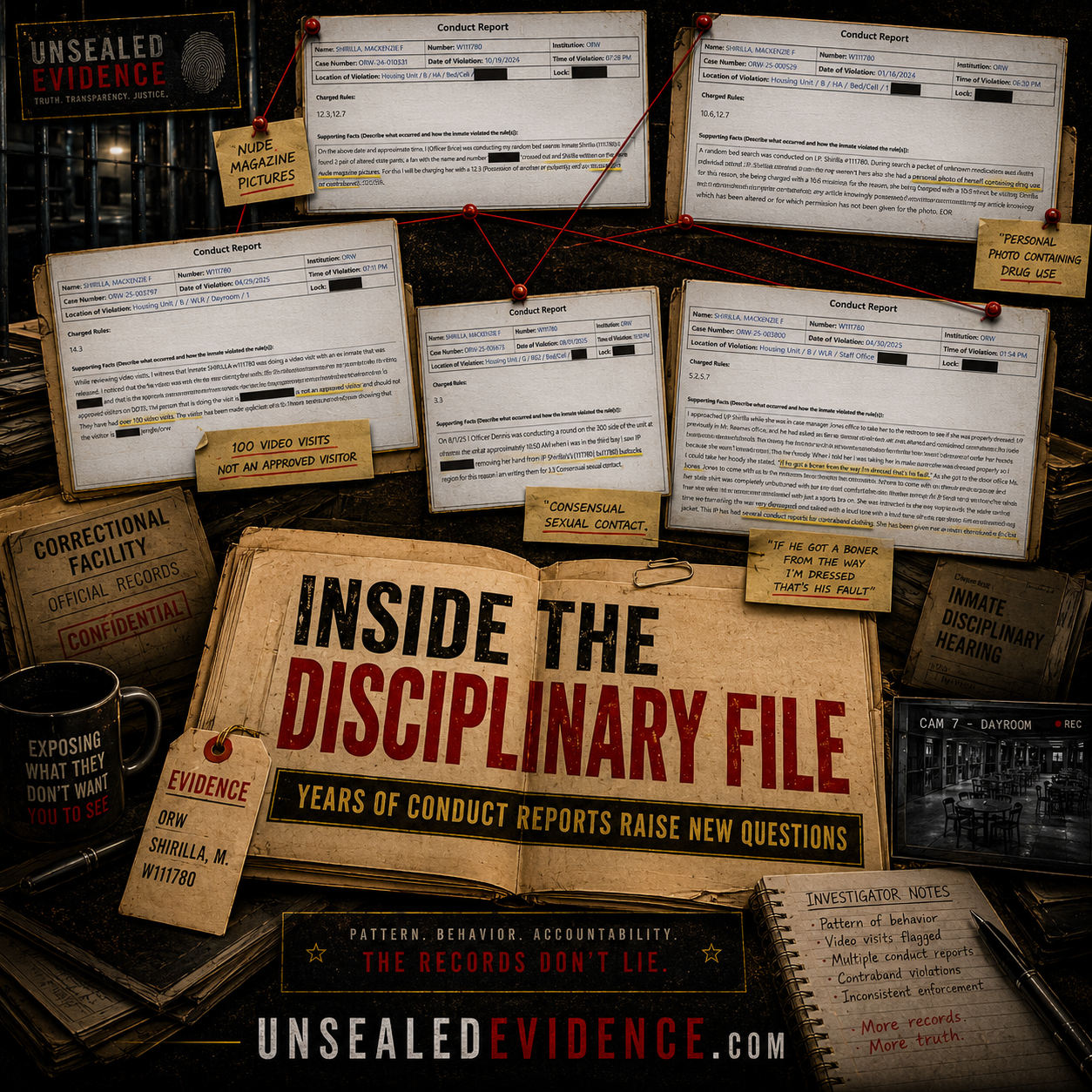
Nude Photos, Explicit Video Calls, Unauthorized Medication and More: Inside Mackenzie Shirilla's Prison Disciplinary File
What exactly has Mackenzie Shirilla been getting written up for while behind bars? Newly obtained disciplinary records reveal allegations involving nude magazine photos, unauthorized medication, explicit video calls, stolen property, contraband, and more.
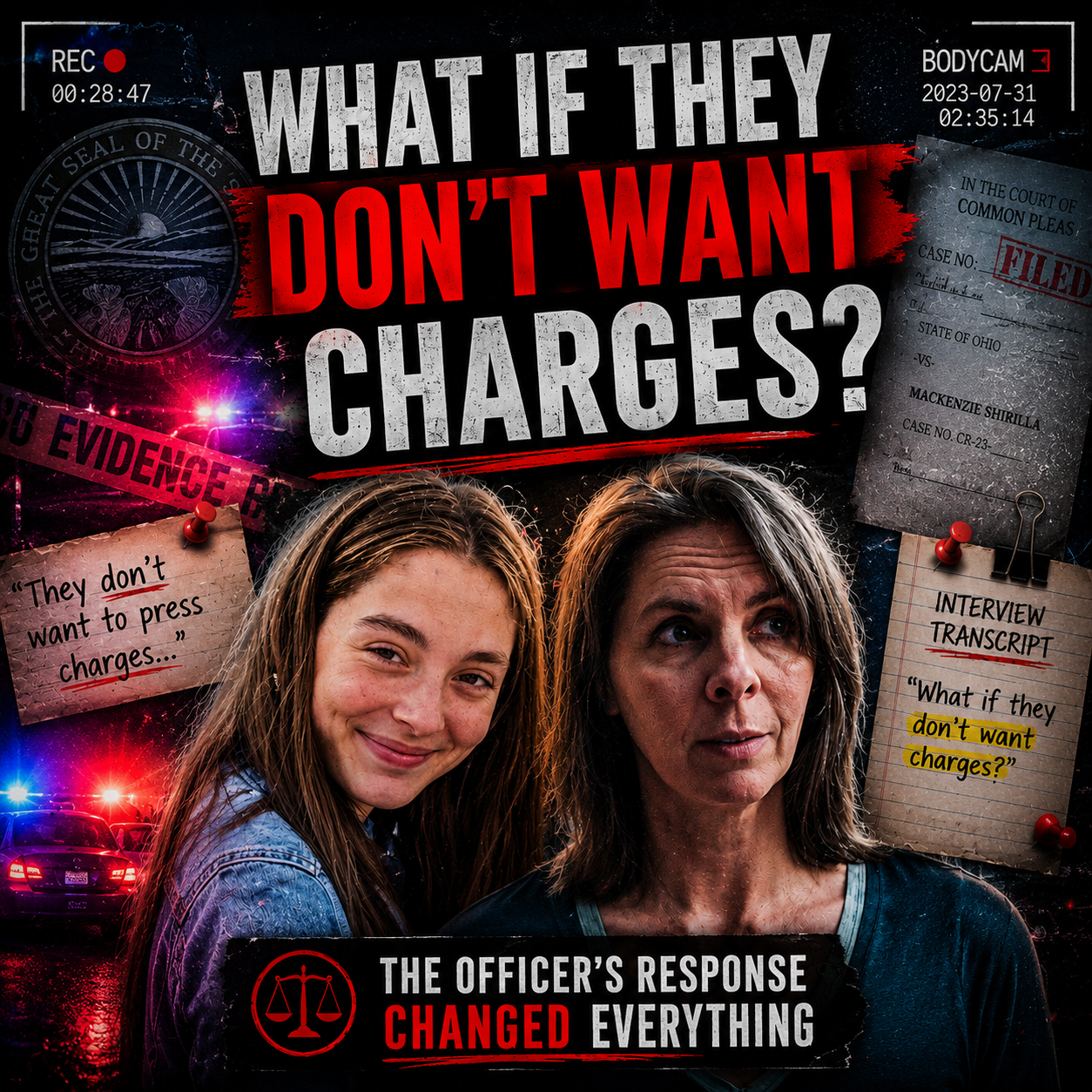
"What If The Families Don't Want Charges?" The Bodycam Exchange People Can't Stop Talking About
One of the most revealing moments in the newly released Mackenzie Shirilla bodycam footage has nothing to do with the crash itself. Instead, it centers on a conversation about whether Dominic Russo's and Davion Flanagan's families wanted criminal charges filed—and the officer's explanation of why that decision was no longer up to them.
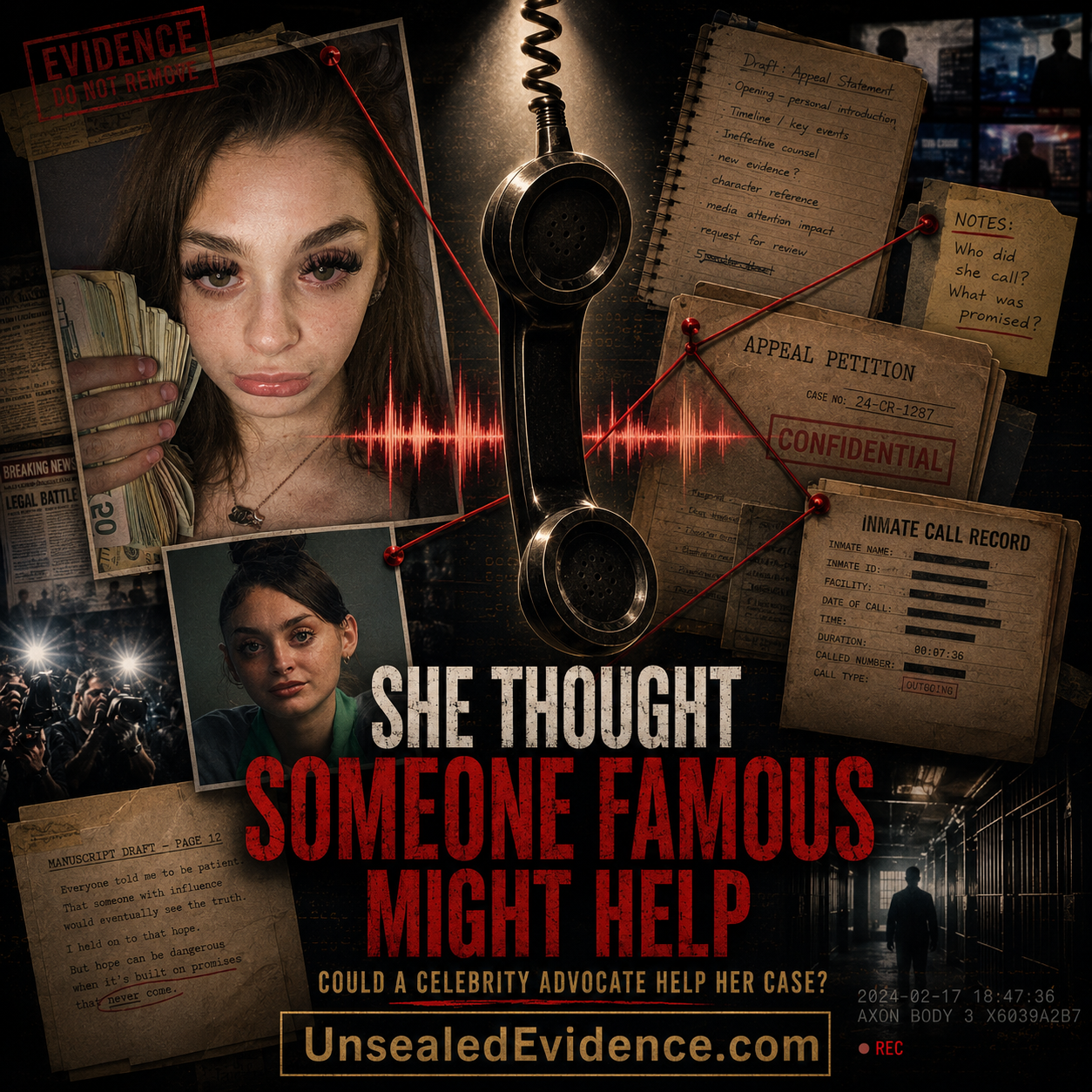
Kim Kardashian Reportedly Has No Interest In Mackenzie Shirilla's Case
Recorded jail calls revealed Mackenzie Shirilla discussing the possibility that Kim Kardashian might take an interest in her case. Days later, multiple media outlets reported that sources close to Kardashian indicated she has no plans to become involved, raising new questions about how Mackenzie and her family view public attention surrounding the case.
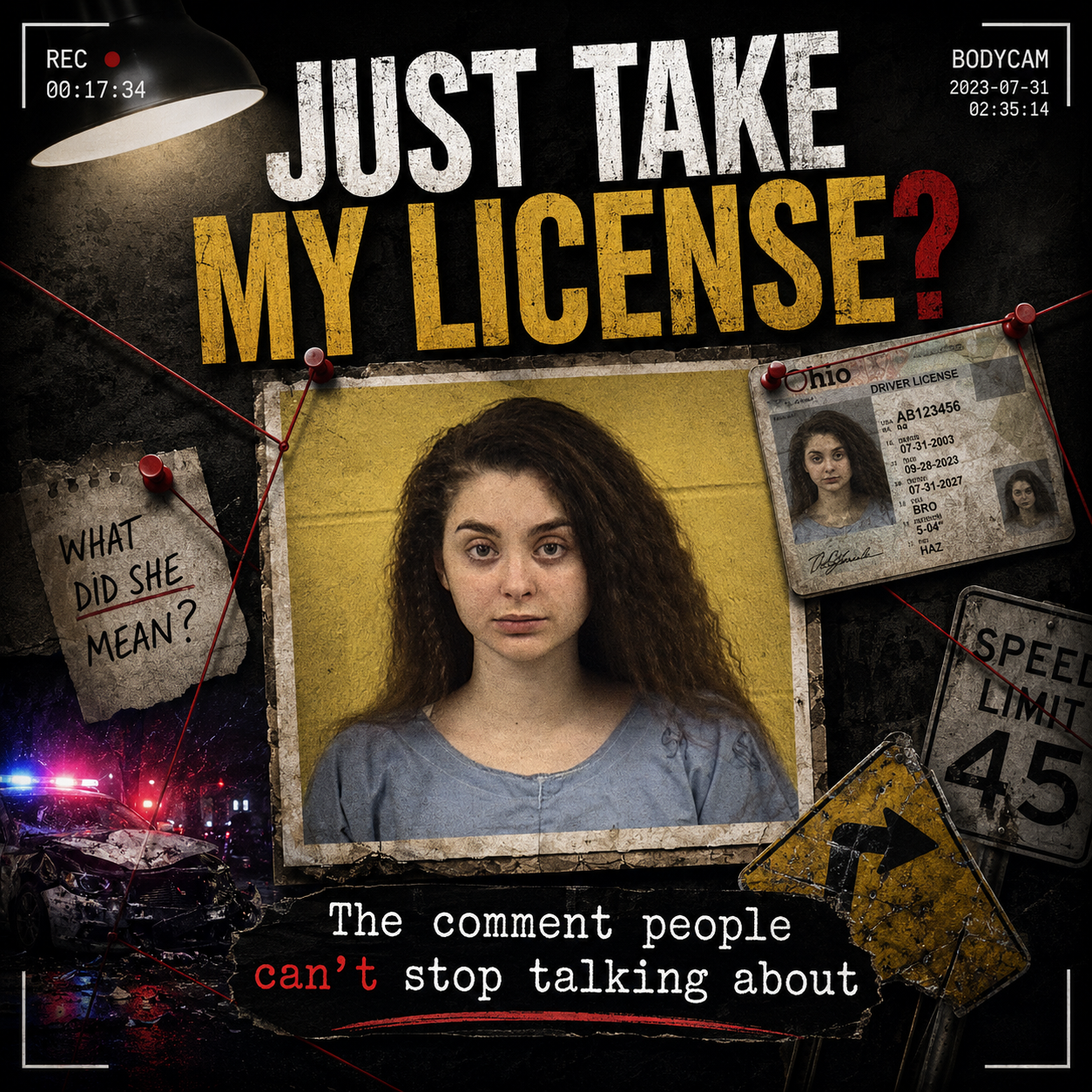
Did Mackenzie Shirilla Think Losing Her License Was the Worst Possible Outcome?
Among the newly released bodycam footage in the Mackenzie Shirilla case, one comment continues generating strong reactions. During a conversation with police, Mackenzie reportedly asked whether her driver's license could simply be taken away for ten years. Years later, critics still point to that exchange as a revealing glimpse into how she may have viewed the situation in the immediate aftermath of the crash.
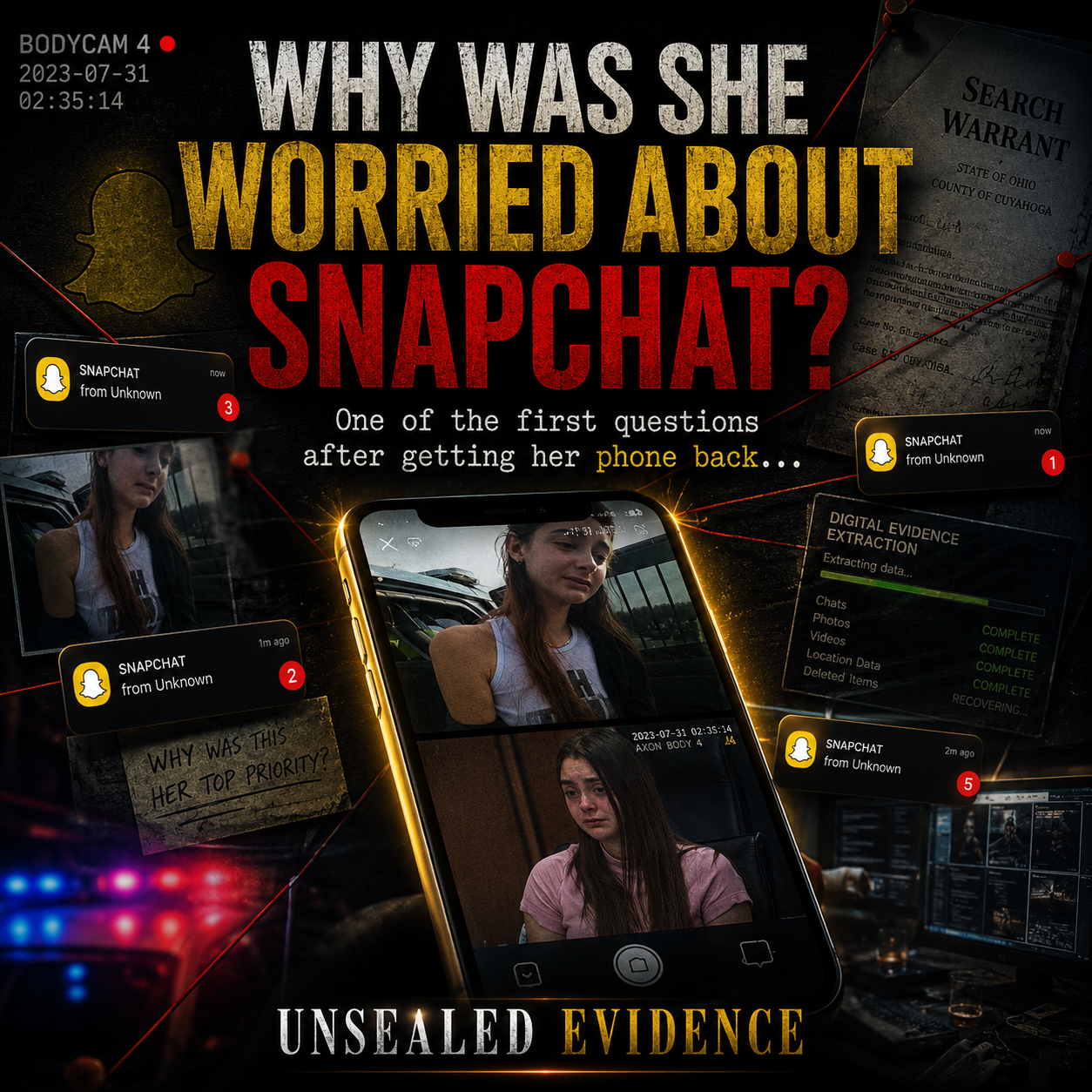
Why Were Snapchat Messages One of Mackenzie Shirilla's First Concerns After the Crash?
Newly released bodycam footage from the Mackenzie Shirilla case is sparking debate online after a conversation about Snapchat messages took center stage shortly after investigators returned her phone. For critics of Mackenzie Shirilla, the exchange raises uncomfortable questions about priorities, mindset, and what seemed most important in the aftermath of a crash that killed Dominic Russo and Davion Flanagan.
“When Do We Believe The Children?” — The Question That Hit Hardest In The Nightmare Upstairs
One moment from Hulu’s The Nightmare Upstairs continues haunting viewers long after the documentary ends. As Ty Larson expressed fear about reunification with his father, the response he received sparked outrage online and reignited a larger debate surrounding abuse allegations, parental alienation, and whether family courts truly listen when children say they are afraid.