Shadows of Satan: The Bellaire Halloween Murders
Bellaire, Ohio sits quietly along the Ohio River, a steel town where families have known one another for generations. In the fall of 1995 the hills were starting to change color and the village was preparing for Halloween, a holiday that usually brought laughter and costumed children to its streets. In one modest home tucked into those hills, the Brooks family was settling into a normal weekend. Fifty‑three‑year‑old Terry Brooks had come home from work and settled into bed. His wife Marilyn, fifty‑two, had returned the day before from visiting relatives in Florida and was recovering from her trip. Their sons, seventeen‑year‑old Nathan and sixteen‑year‑old Ryan, were typical teenagers attending Bellaire High School. To neighbors the family seemed ordinary.
Outward appearances hid a growing darkness. Friends later said that Nathan Brooks had become fascinated with the occult and had decorated his bedroom with sinister drawings and pentagrams. He was intelligent and well read, capable of conversing in Latin and English. Classmates remembered him saying he was going to be “famous by Saturday.” Inside the Brooks home, tension simmered. Some who knew the family recalled that Terry, a postal worker, was demanding when it came to academics and that his drinking created a volatile atmosphere. Nathan’s interest in satanic rituals was a source of contention with his parents, especially his father.
On the night of September 30, 1995, Ryan Brooks went to a local football game and then to a friend’s house. At about 1:30 a.m. he called home to tell his parents that he would stay out for the night. Nathan answered the call and told his younger brother to come home because, he claimed, their parents wanted him home. Believing his brother, Ryan began making his way back. What Ryan didn’t know was that during the night Nathan had carried out a massacre. Using a hunting rifle, he crept into his parents’ bedroom and shot his father three times in the head at close range. He then used a hacksaw to decapitate Terry and placed his head in a punch bowl, setting it on a chair in the living room. He moved to his mother’s bed and attacked her with an axe and a knife, stabbing and mutilating her until she died. A ball‑peen hammer lay nearby, another silent witness to the frenzy.
The house was staged in a way that suggested a ritual. Satanic drawings and symbols were scattered around, and investigators later noted that Latin phrases and pentagrams were on the walls. After killing his parents, Nathan searched for his brother. He walked to the friend’s house where Ryan had been staying, looking for him. Finding no one at home, he left a chilling note: “This is Nathan. I murdered two people, and I am going to turn myself in.” He tried to lure his brother home by telephone, but Ryan lingered for a while longer at his friend’s house. That delay saved his life.
When Ryan finally reached the family home in the early hours of October 1, he stepped into a nightmare. Blood stained the bedrooms and living room, and his father’s severed head sat in a bowl. In shock, he raced to a neighbor’s house and called the authorities. Deputies arrived to a scene that seasoned officers later said left them speechless. Evidence of violence was everywhere: the rifle used to shoot Terry, the hacksaw, knives and an axe, and a collage of occult images. A list of first names with instructions like “dismember,” “eviscerate,” and “decapitate” lay on a piece of notebook paper. “Ryan” was at the top of the list. “Mother” and “Father” followed. Other names—Amber, Lisa, Justin, Jason, Dave, Corey, Jill, Mike, Ashley and more—were written without surnames. Times had been crossed out, indicating that Nathan had planned the order of killings. At the top of the page he had scrawled, “Satan will show you peace.”
Law enforcement launched a manhunt. Nathan Brooks was found later that day along Riggs Road near a cemetery, unarmed and compliant. When deputies confronted him he surrendered without resistance. Officers later described him as calm and oddly detached, offering no apology and little explanation. He was taken into custody and charged with the murders. Because of his age and the gruesome nature of the crime, the case drew national attention. Bellaire officials canceled Halloween festivities out of fear that the killings might be part of a wider satanic conspiracy. Parents kept their children indoors, and for the first time in memory there were no trick‑or‑treaters on the village streets.
Terry Brooks was fifty‑three years old and worked as a mail carrier. He was known in the neighborhood for his punctuality and commitment to his route. He took pride in his family and reportedly pushed his sons to excel in school and athletics. He enjoyed talking with neighbors during his rounds and was considered a friendly man. On the night he died he had fallen asleep unaware of the horror his son planned.
Marilyn Brooks, fifty‑two, was a devoted wife and mother. Friends remembered her as kind and soft‑spoken, someone who cared deeply for her children. She had just returned from visiting family in Florida and was said to be tired from travel. She went to bed early, expecting the comfort of home. She never woke up. Both victims were attacked while they slept and had no chance to defend themselves. Their deaths shocked friends, family and the entire community.
After Nathan’s arrest, investigators searched his room and found evidence that suggested long‑term planning. The list of names, sometimes referred to as a “kill list,” contained about a dozen first names. Each name had instructions written beside it, such as “skin,” “molest some,” “dismember,” and “decapitate.” The list placed Ryan at the top, followed by their parents. Many in the community had heard rumors about such a list and initially authorities downplayed those rumors. During the trial photographs of the list were introduced as evidence, confirming that the list was real. The presence of the kill list led officials to cancel trick‑or‑treat and to increase police patrols during the Halloween season, a security practice that has continued in Bellaire ever since.
Nathan’s interest in the occult appeared to have grown in the months leading up to the murders. Classmates recalled that he wore black clothing, read books about satanism and sometimes conversed in Latin. A council member later said her daughter, who was a friend of Nathan’s, never heard him mention killing anyone and was stunned by his actions. Others noted that he seemed to change as he got older and that he often complained about pressure at home. During the investigation it emerged that Nathan had previously dug up graves in a local cemetery and associated with a small group of teenagers who shared his interest in dark rituals.
At trial, prosecutors presented a straightforward case. Nathan had confessed to authorities that he killed his parents. The physical evidence was overwhelming, and the jury viewed photographs of the crime scene. The defense argued that Nathan was insane at the time of the killings and could not distinguish right from wrong. Three mental‑health experts testified; some said he was suffering from a mental illness, while others maintained that he knew exactly what he was doing. After less than three hours of deliberation the jury unanimously convicted him of two counts of aggravated murder and a firearms specification. Judge Charles Knapp, noting the brutality of the crimes, imposed the maximum sentence allowed by law: life in prison with the possibility of parole after thirty years. Nathan was transferred to a maximum‑security facility in Lucasville and later to the London Correctional Institution. He has remained incarcerated ever since.
The murders had lasting effects on Bellaire. Halloween celebrations were moved into a supervised event called “Boo at the Park,” and parents began accompanying their children door‑to‑door. Annual trick‑or‑treat times were strictly enforced. Even decades later, residents still speak of the murders when autumn arrives, and many say they remain cautious because of that night. The case has been the subject of true‑crime podcasts and documentaries, and it has been referenced whenever discussions of satanic rituals surface.
In 2025, thirty years after the murders, Nathan Brooks became eligible for his first parole hearing. The hearing was scheduled for August but was postponed until November. At the hearing the parole board considered his institutional record and the severity of his crimes. Law enforcement officials and the Belmont County prosecutor wrote letters urging that parole be denied. The board agreed and continued his sentence, setting the next possible hearing for June 2035. Nathan, now in his late forties, remains imprisoned. He has offered little insight into his motives and has not publicly expressed remorse.
What investigators have confirmed
Investigators confirmed that Nathan John Brooks shot his father, Terry, three times in the head with a hunting rifle and then decapitated him with a hacksaw. They confirmed that he stabbed and mutilated his mother, Marilyn, with an axe and a knife. They recovered the weapons, a handwritten list of intended victims with violent instructions, and satanic drawings from his bedroom. Witnesses testified that Nathan attempted to lure his brother home and left a note admitting he had killed two people. Law enforcement located and arrested him later the same day without incident. The jury found him guilty of two counts of aggravated murder and a firearms specification, and he was sentenced to life imprisonment. Parole board records show that he had his first parole hearing in 2025 and that it was denied.
Unanswered questions
- What was Nathan Brooks’ true motive for murdering his parents?
- Did Nathan suffer from a diagnosable mental illness that went untreated?
- Were there warning signs that could have alerted friends or authorities before the murders occurred?
- What were the full circumstances in the Brooks household that may have contributed to the violence?
- Did Nathan act entirely alone, or were other individuals aware of his plans?
- Why did he include certain names on his kill list, and did he intend to carry out further attacks?
- Has Nathan ever offered a complete explanation for his actions?
- What impact did the murders have on his surviving brothers in the years afterward?
Key individuals & relationships
- Nathan John Brooks – perpetrator – seventeen‑year‑old Bellaire High School student who killed his parents and created a list of additional targets
- Terry Brooks – victim/father – fifty‑three‑year‑old mail carrier, father of Nathan, shot and decapitated
- Marilyn Brooks – victim/mother – fifty‑two‑year‑old mother of three, stabbed and mutilated
- Ryan Brooks – witness/brother – sixteen‑year‑old younger brother of Nathan, discovered the bodies and was listed as the first planned victim on the kill list
- Brother (older) – sibling – another son of Terry and Marilyn; less is publicly known about him and he was not present at the house during the murders
- Sheriff Tom McCort – law enforcement – county sheriff in 1995 who oversaw the investigation and later testified about Nathan’s statements
- Deputy Don Samples – first responder – road sergeant who was among the first to enter the crime scene
- Belmont County Prosecutor Frank Pierce – prosecutor – led the prosecution against Nathan Brooks
- Assistant Prosecutor Bob Quirk – prosecutor – assisted in trying the case against Nathan Brooks
- Judge Charles Knapp – judge – presided over the double‑murder trial and imposed the maximum sentence
- Public Defender Jim Nichelson – defense attorney – represented Nathan Brooks and argued that he was insane at the time of the murders
- Sheriff James Zusack – law enforcement – deputy at the time who often transported Nathan to court and later discussed the hit list and its impact on the community
- Councilwoman Lou Ann Bennett – local official – spoke publicly about the decision to cancel Halloween and about the community’s lasting fear
- Belmont County Prosecutor Kevin Flanagan – prosecutor – current prosecutor who participated in the 2025 parole proceedings and argued against release
Continue Investigating
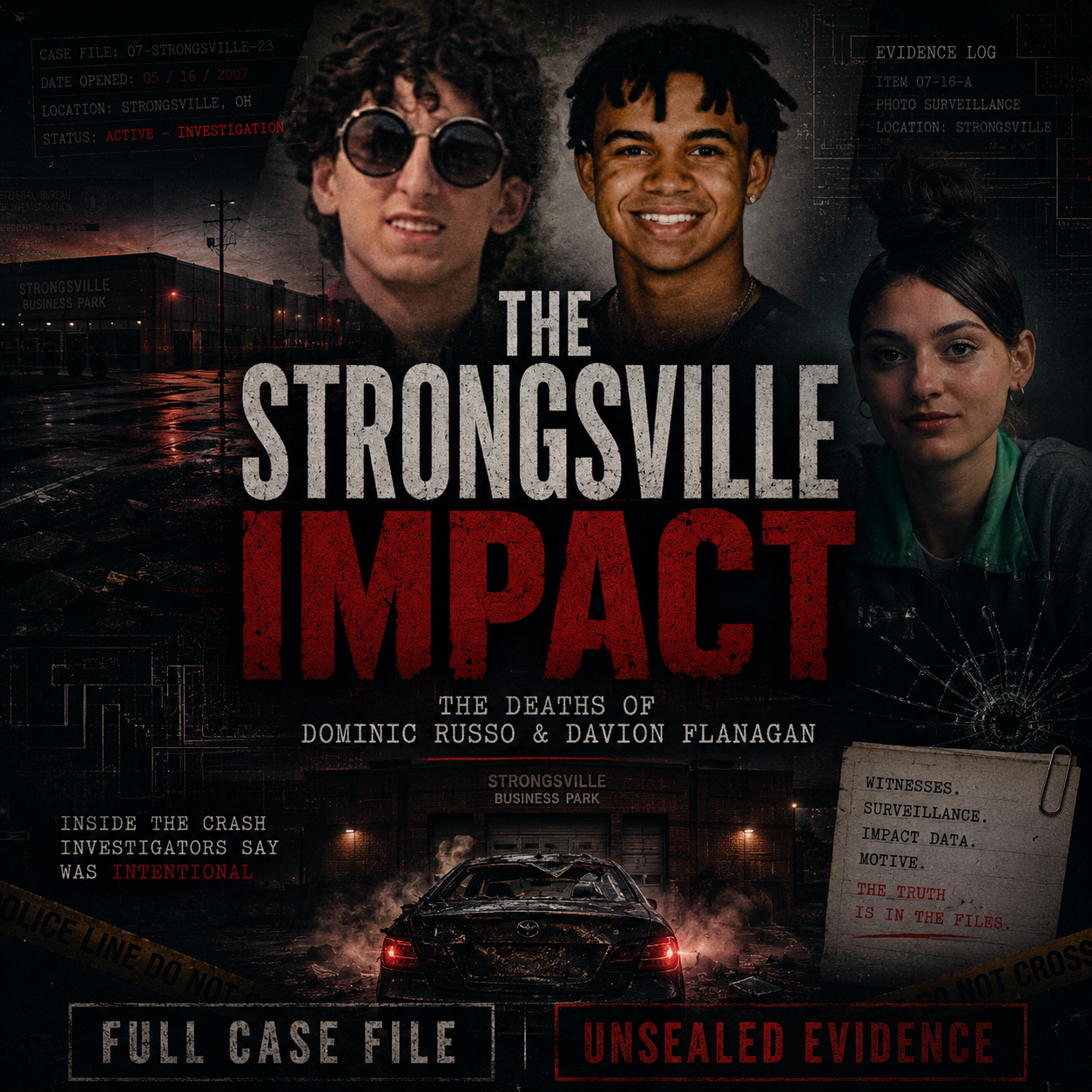
The Strongsville Impact: The Deaths of Dominic Russo and Davion Flanagan
In the early morning hours of July 31, 2022, a devastating crash in Strongsville left 20-year-old Dominic Russo and 19-year-old Davion Flanagan dead after a Toyota Camry driven by
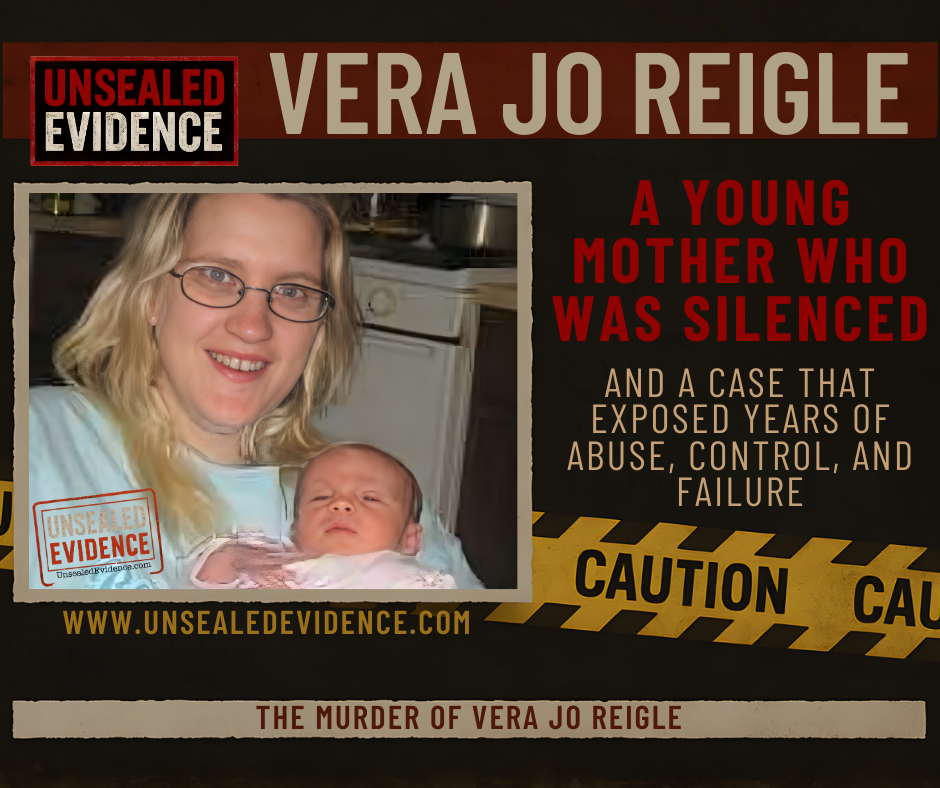
The Torture and Murder of Vera Jo Reigle – Findlay, Ohio (2011)
The Crime in Full: What Happened to Vera Jo Reigle Vera Jo Reigle’s murder was not a sudden act of rage. It was the final step in a long pattern of abuse, manipulation, and
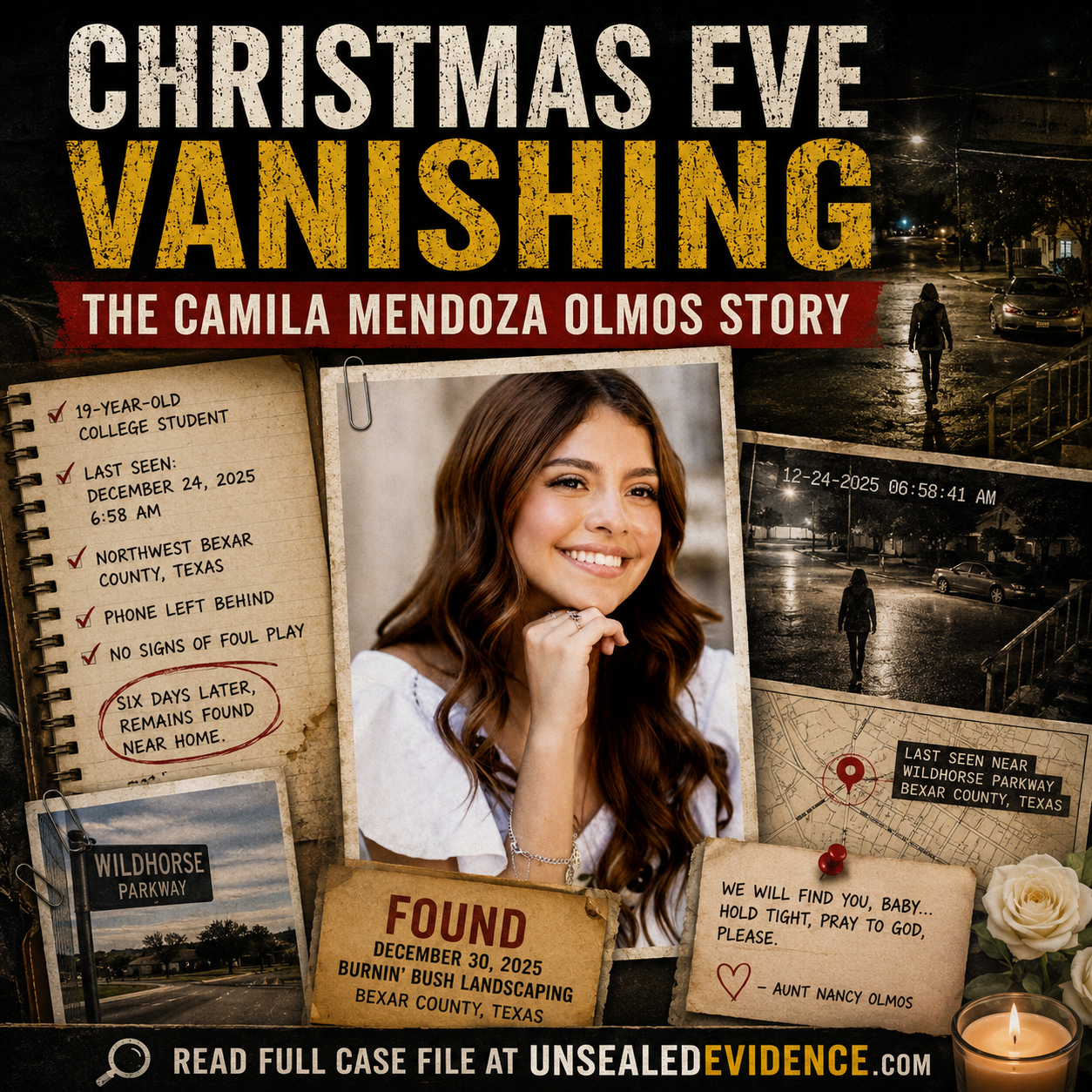
Christmas Eve Vanishing: The Camila Mendoza Olmos Story
Christmas Eve Vanishing: The Camila Mendoza Olmos Story Camila Mendoza Olmos, a 19-year-old college student in northwest Bexar County, Texas, disappeared on the morning of Wednesd
Behind the Locked Door: The Ty and Bryn Larson Custody Battle and the 54-Day Barricade
The Ty and Bryn Larson case became one of the most controversial and widely discussed family court stories in recent years after two Utah siblings barricaded themselves inside an u
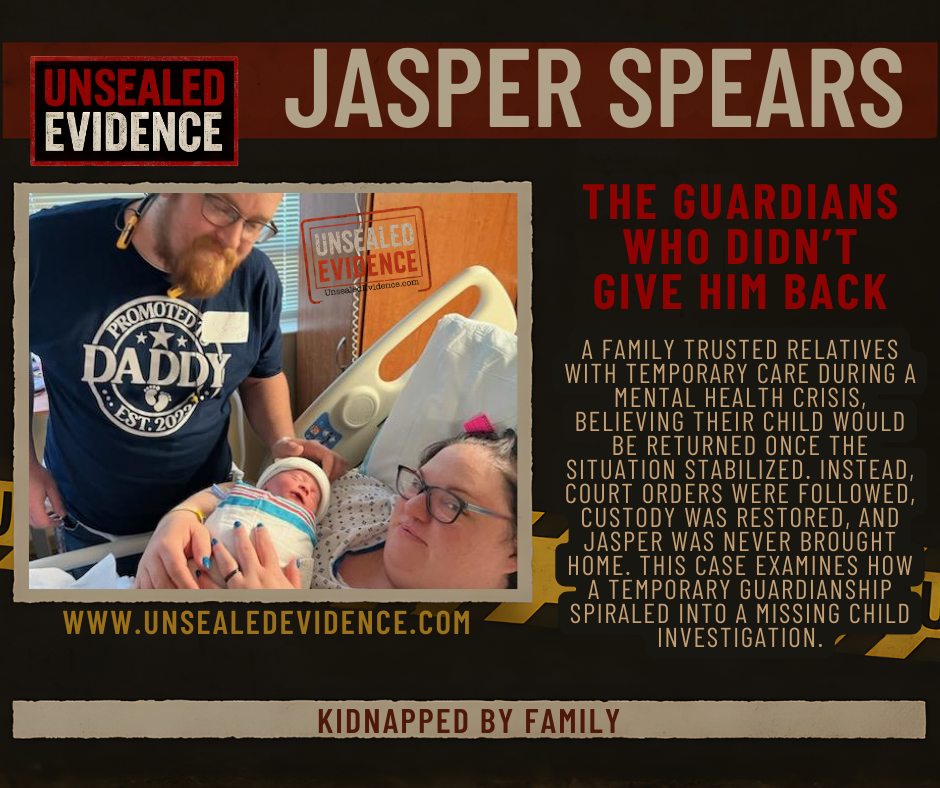
The Guardians Who Didn’t Give Him Back: Jasper Michael Spears
The Guardians Who Didn’t Give Him Back: The Disappearance of Jasper Michael Spears The Hospital Visit That Started Everything Jasper Michael Spears was born on November 6,
The Strongsville Impact: The Deaths of Dominic Russo and Davion Flanagan
In the early morning hours of July 31, 2022, a devastating crash in Strongsville left 20-year-old Dominic Russo and 19-year-old Davion Flanagan dead after a Toyota Camry driven by
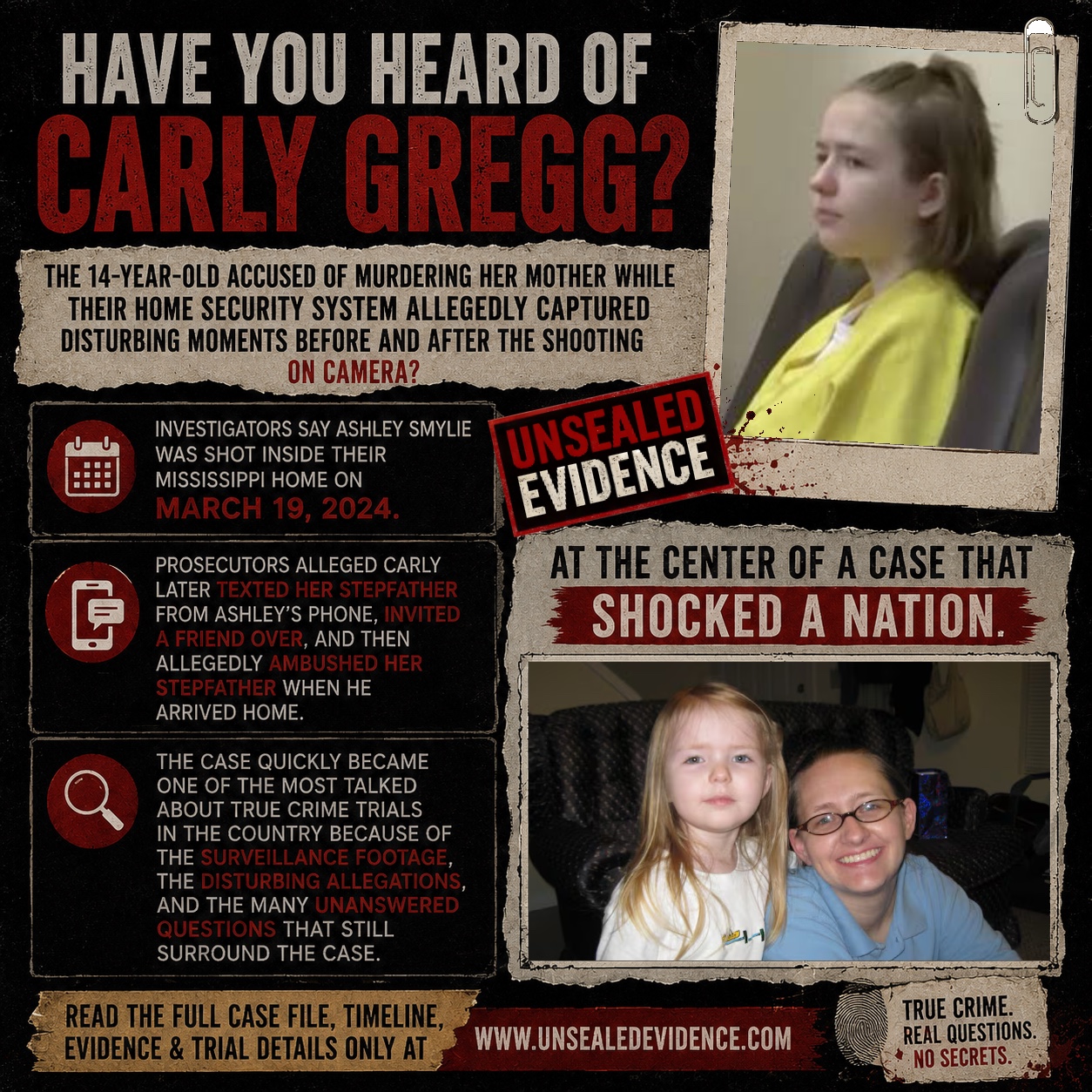
The Day the Silence Broke: A Human Account of the Carly Gregg Tragedy
March 19, 2024. A Tuesday. In the quiet, unassuming town of Brandon, Mississippi, a day that began with the mundane rhythm of school and work would spiral into a vortex of horror,
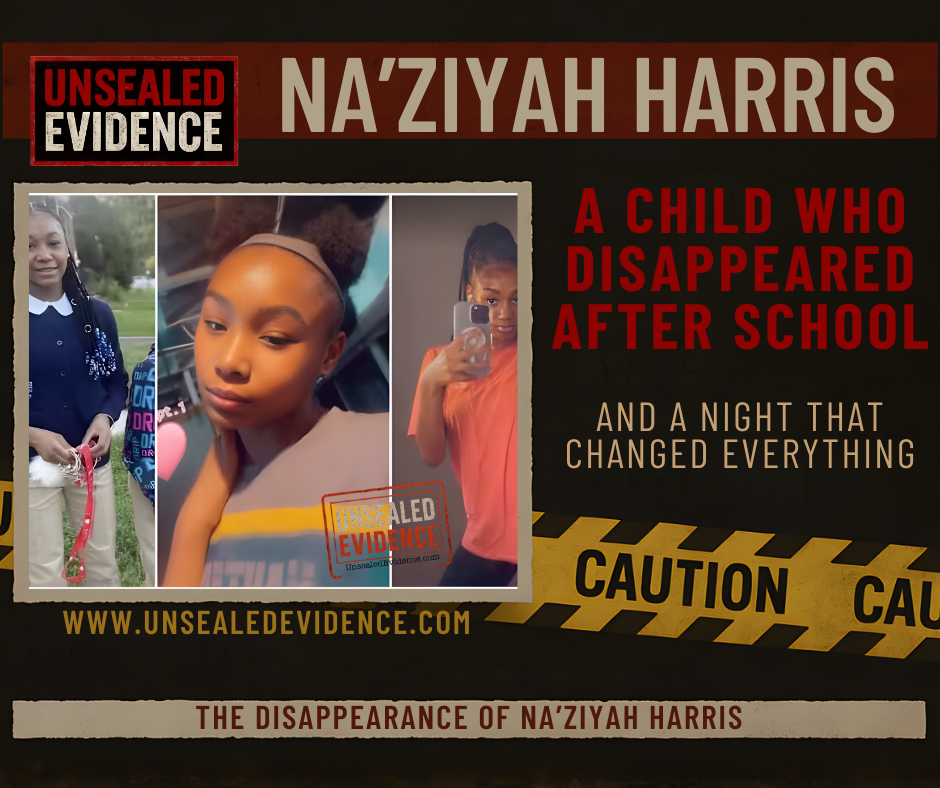
The Rugrats Coat Disappearance: The Killing of Na’Ziyah Harris Without a Body
Vanished After the Bus Stop: A Detroit Afternoon That Changed Everything On January 9, 2024, a thirteen-year-old girl stepped off her school bus on Detroit’s east side, wear